Latrun / Emmaus
A couple of hundred meters down from the house where I was born and grew up, in Bogotá, Colombia, stood a monastery on a large plot of land. Emmaus. I never went into the premises, and don’t even recall an entrance gate. Yet the place was a landmark, and it’s existence was firmly engraved in my mind.
Half a century later, I again found myself at Emmaus. This time, though, I was at the site of the original, historical Emmaus, in Israel. I had taken my bike to be serviced at a shop located at Latrun, the site where the city of Emmaus stood 2,000 years ago, about 15 kms. drive from my present home in Bet Shemesh, Israel.
Ayalon Valley and Emmaus are mentioned in the Bible – Book of Joshua, the Book of Maccabees, the New Testament – Gospel of Luke, and on the Madaba Map. Latrun is a strategic point overlooking the valley of Ayalon and the historical route between the Mediterranean coast and Jerusalem. The site is also on the border between the coastal plain and the Judean hills to the east. During the course of the centuries, inhabitants of the coastal plain met, interacted, traded and battled here with those of the hills.
Joshua, leader of the Israelite tribes, here asked G-d to halt the movement of the heavenly bodies in order to enable him to defeat the Philistines on his conquest of The Land.
Then spoke Yehoshua to the LORD on the day when the LORD delivered up the Emori before the children of Yisra’el, and he said in the sight of Yisrae’el, Sun, stand still upon Giv’on; and moon, in the valley of Ayyalon; And the sun stood still, and the moon stayed, until the people had avenged themselves upon their enemies. Is not this written in the Book of Yashar? So the sun stood still in the middle of the sky, and hastened not to go down about a whole day. And there was no day like that before it or after it, that the LORD hearkened to the voice of a man: for the LORD fought for Yisra’el.
Joshua 10:12 – 14, The Holy Scriptures, Koren Publishers, Jerusalem, 1980
In the 2nd century bc., the Maccabees who lived in this area, miraculously vanquished the mighty Hellenistic legions.
The Gospel of Luke 24:13-35 tells the story of Jesus as he appears here to two of his disciples after his resurrection. They don’t recognize him and invite the “stranger” to a meal where he reveals himself to his incredulous hosts. “The Supper in Emmaus” was the theme for paintings by famous artists.
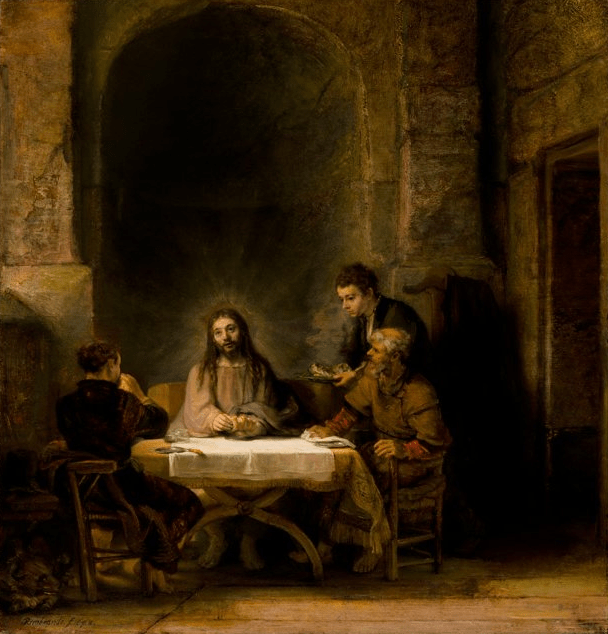
https://en.wikipedia.org/wiki/Supper_at_Emmaus_(Rembrandt,_Louvre)
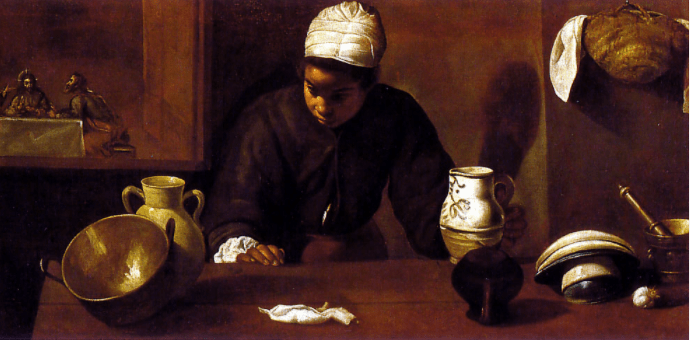
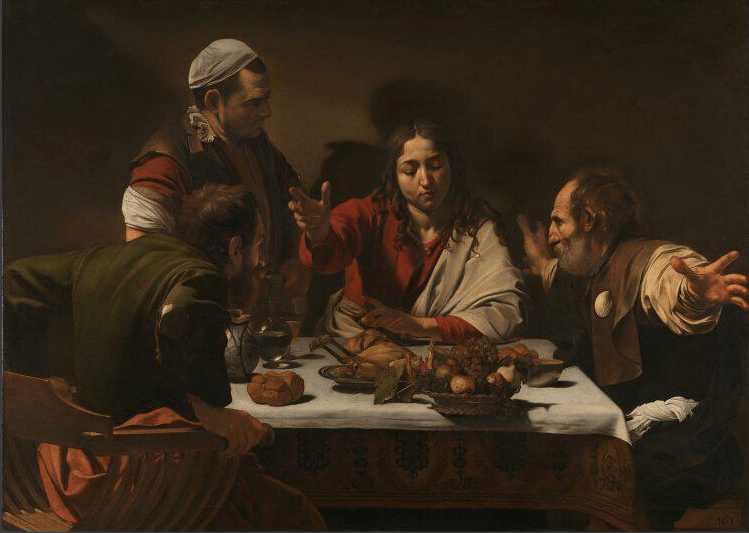
https://www.nationalgallery.org.uk/paintings/michelangelo-merisi-da-caravaggio-the-supper-at-emmaus
From 1947 until the Six Day War in 1967, Hagana (Jewish defense forces during the British Mandate) and later the Israel Defense Forces fought in vain and at terrible loss of lives, against the Arab legions who from this point during those decades strangled Jerusalem’s vital access corridor.
I recall that about 10 years ago I took some friends from abroad to visit the nearby Emmaus Nikopolis site, the ruins of a Byzantine Basilica, that was subsequently reconstructed by the Crusaders. Entrance was free, on condition that visitors stay in the access area with its souvenir shop, and from where one can see the ruins from a small distance. My friends intended to buy some souvenirs after taking a quick look at the ruins, but, intrigued by the ruins, took one or two steps too far. The nun who was running the souvenir shop immediately shouted angrily at us in French, accusing us that we had gone past the access area and insisted we pay the entrance fees. My friends preferred not to argue with the irate nun, payed the bill, and we promptly fled, foregoing the pleasure of patronizing her shop.
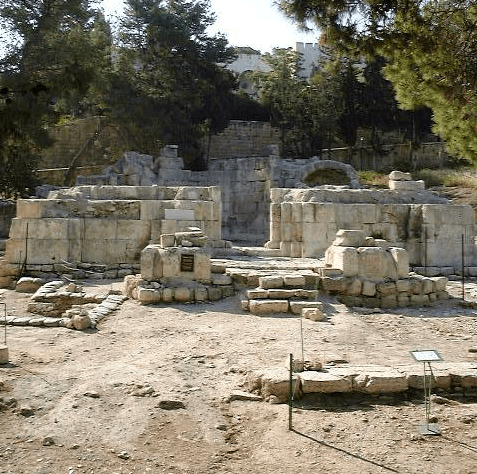
https://en.wikipedia.org/wiki/Emmaus_Nicopolis
After receiving my fixed bike from the shop in Latrun, it was mid afternoon. The midday heat was starting to relent, but I still had a good 3 or 4 hours left to go riding before sunset. I had no idea where I would go, just hopped on the bike and let it take me.
Ayalon Valley
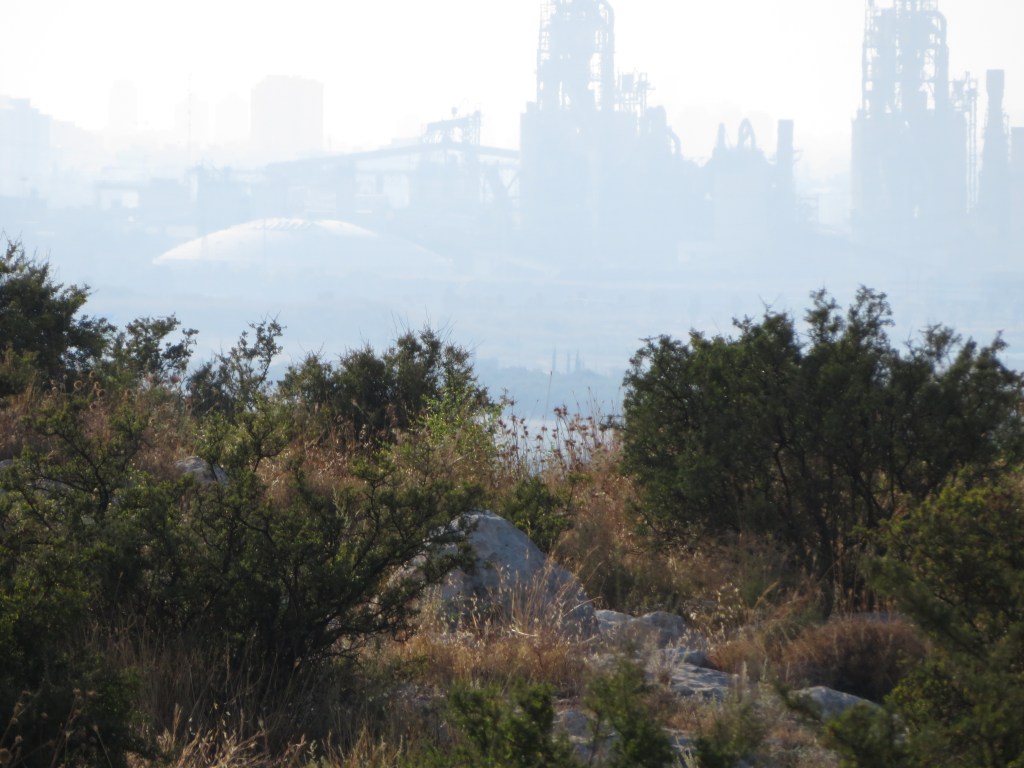
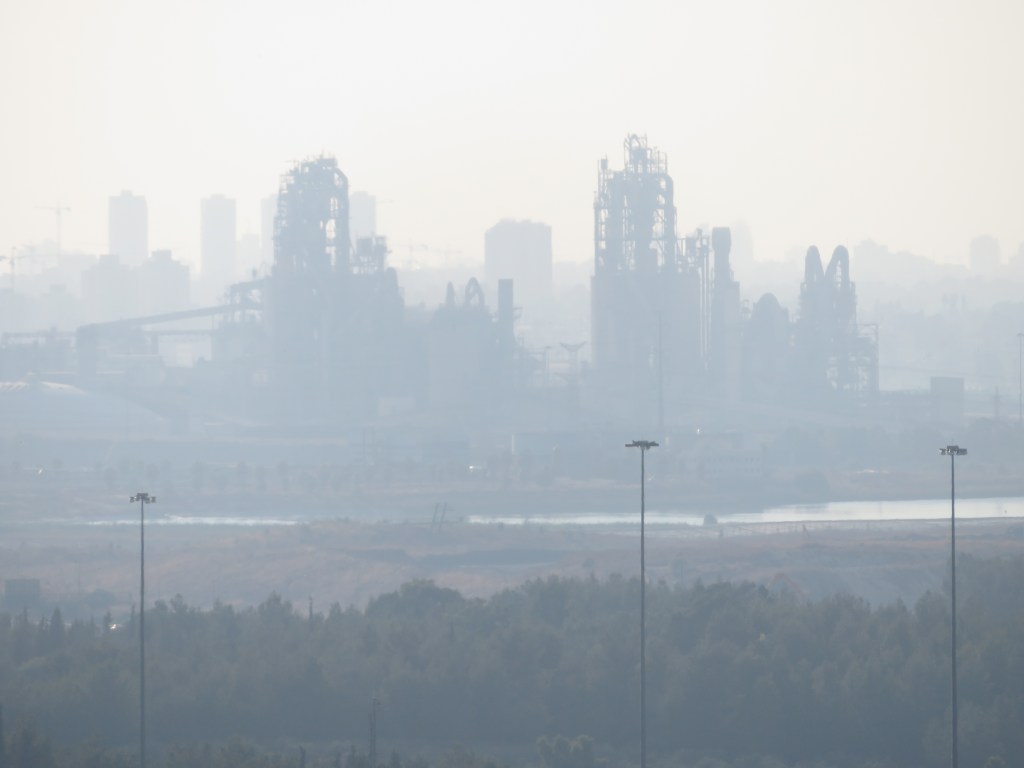
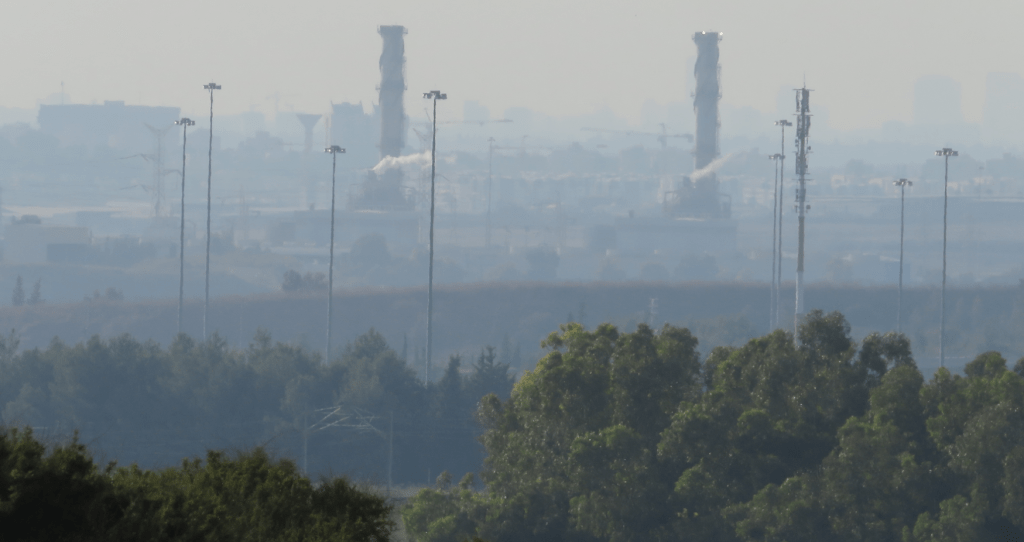
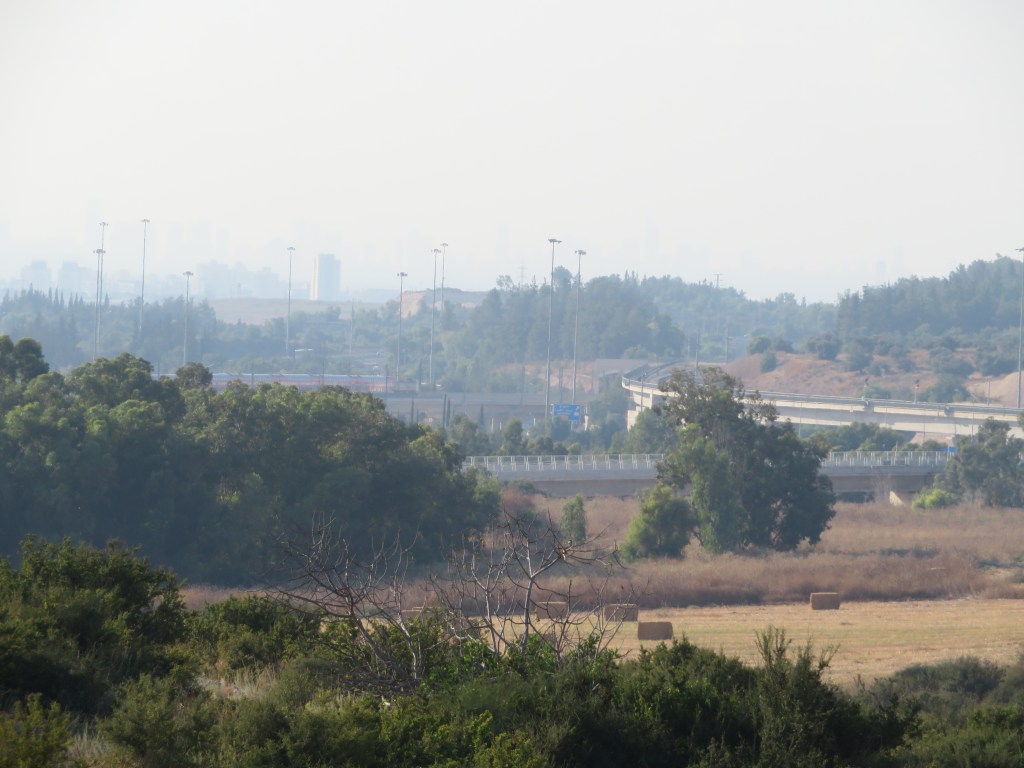
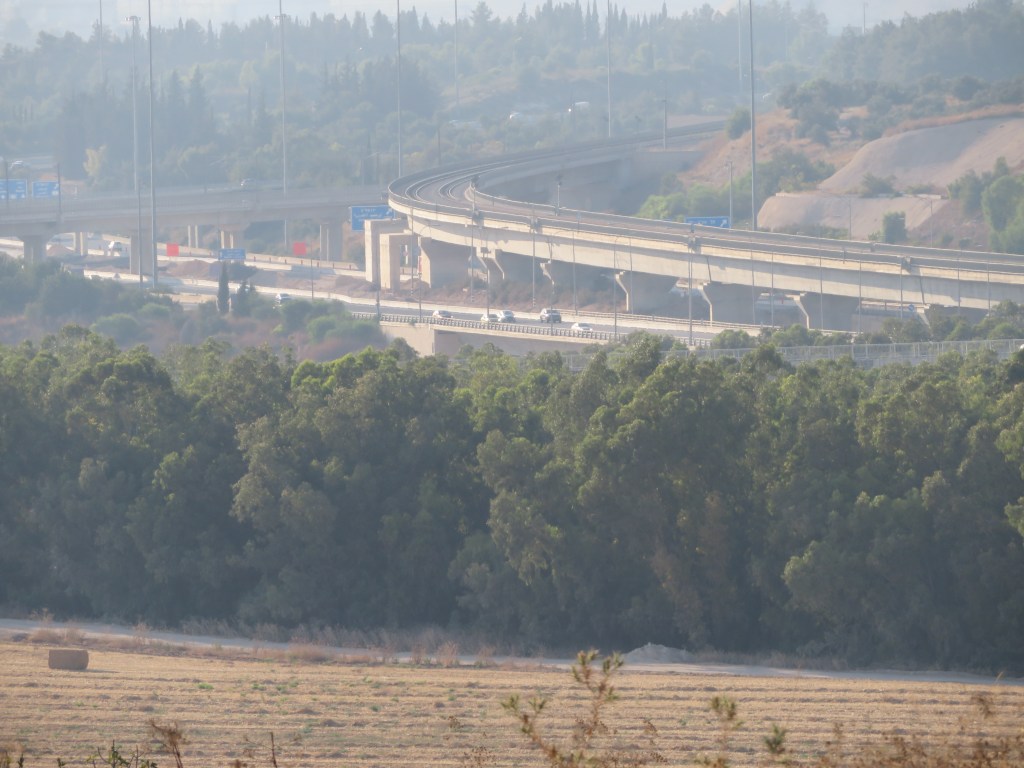
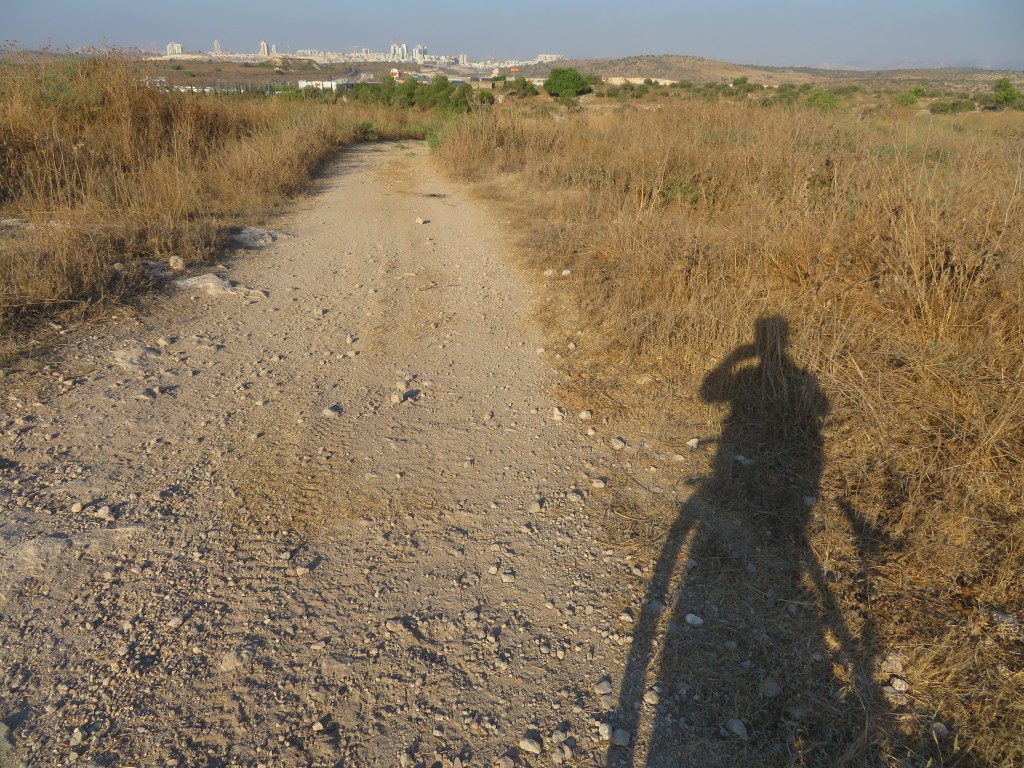
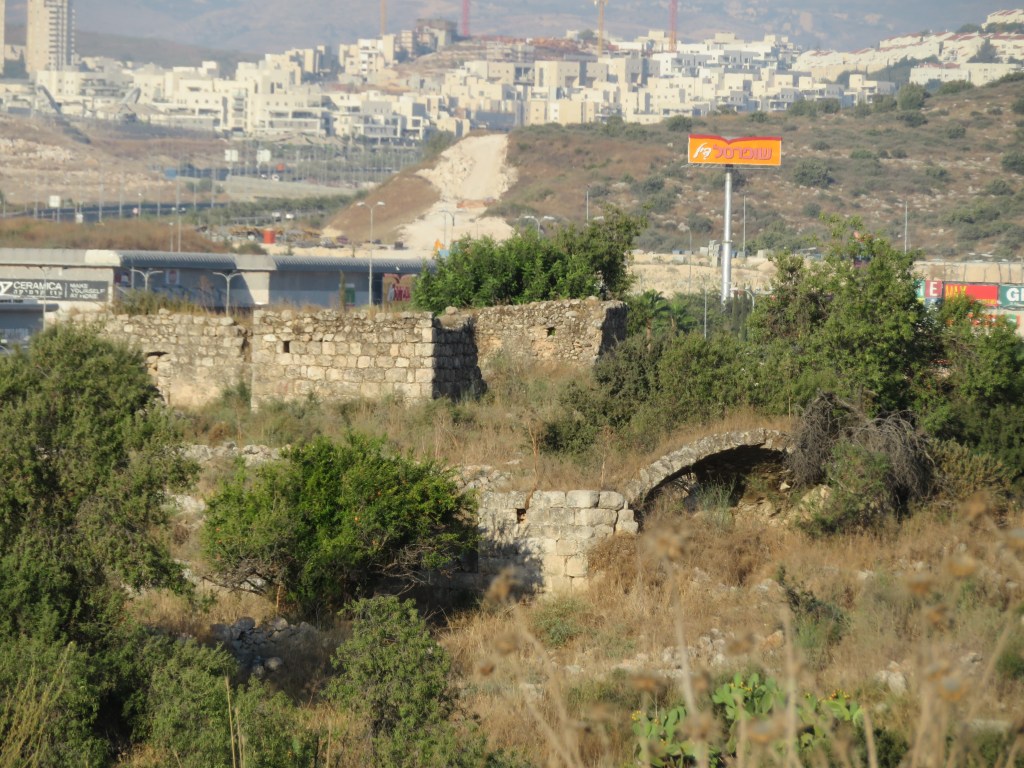
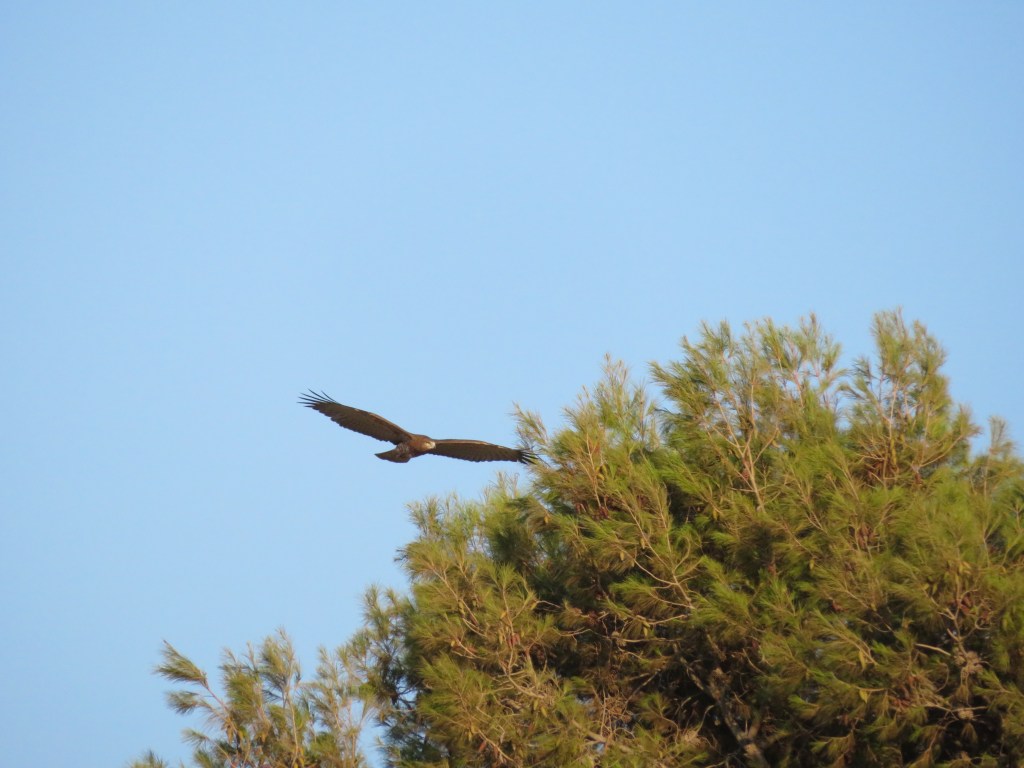
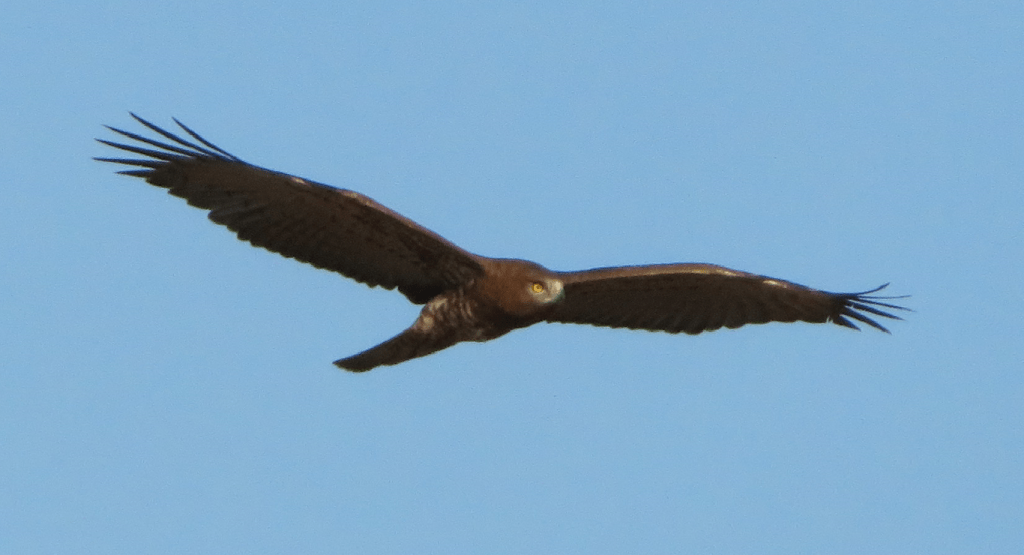
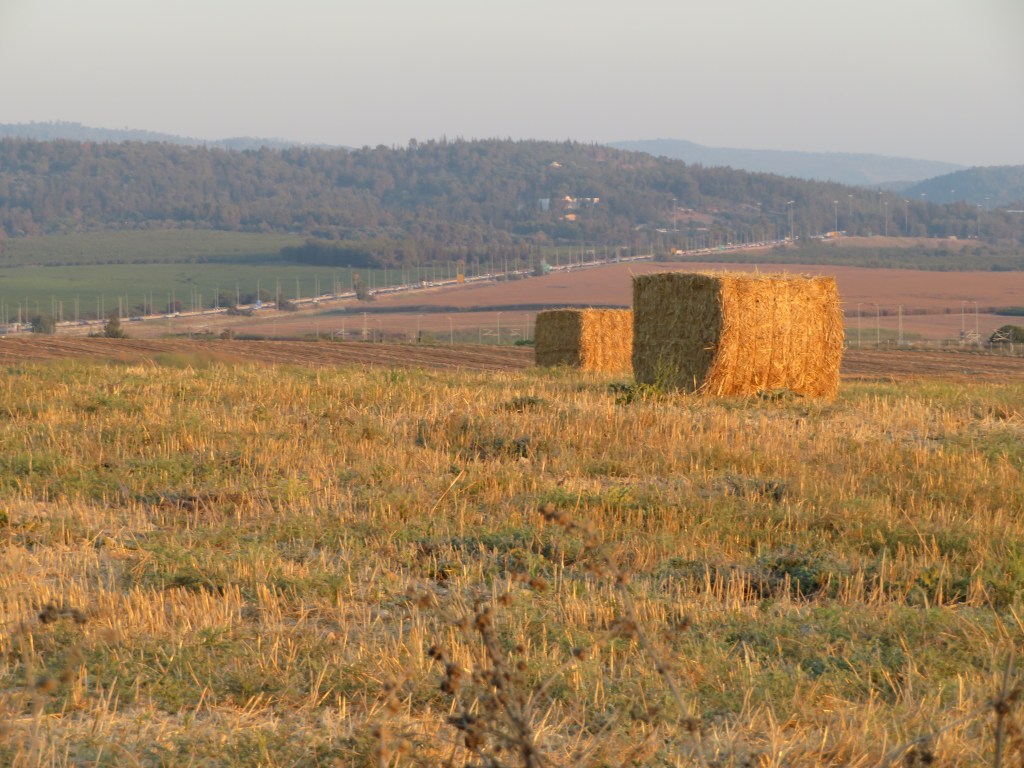
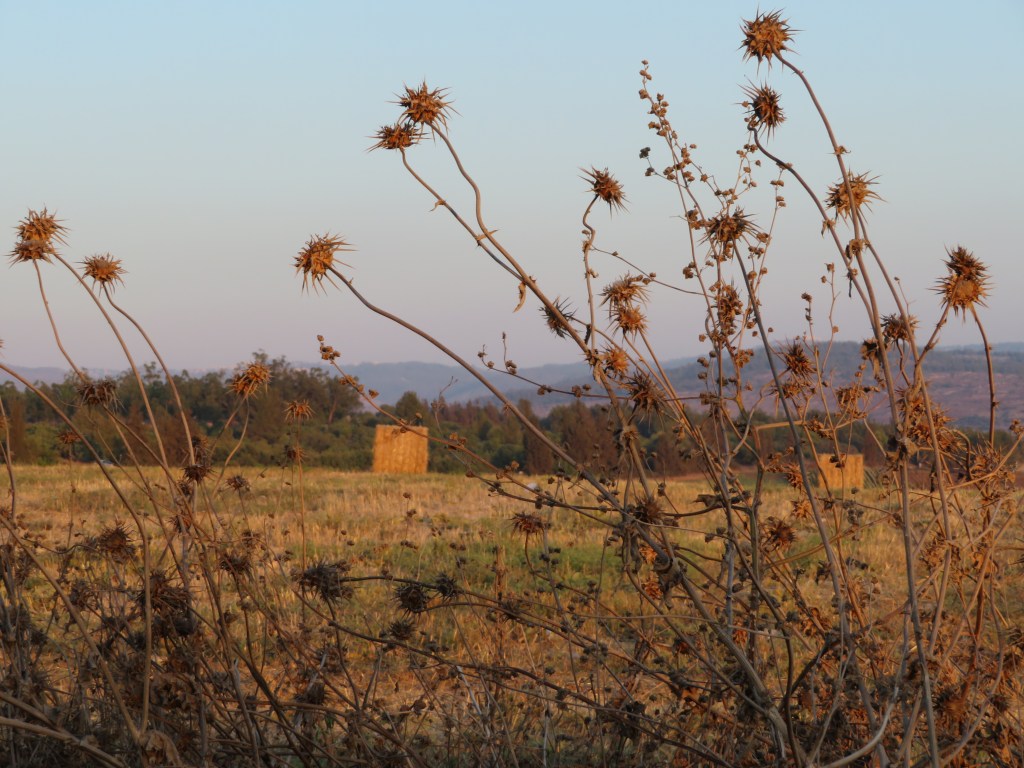
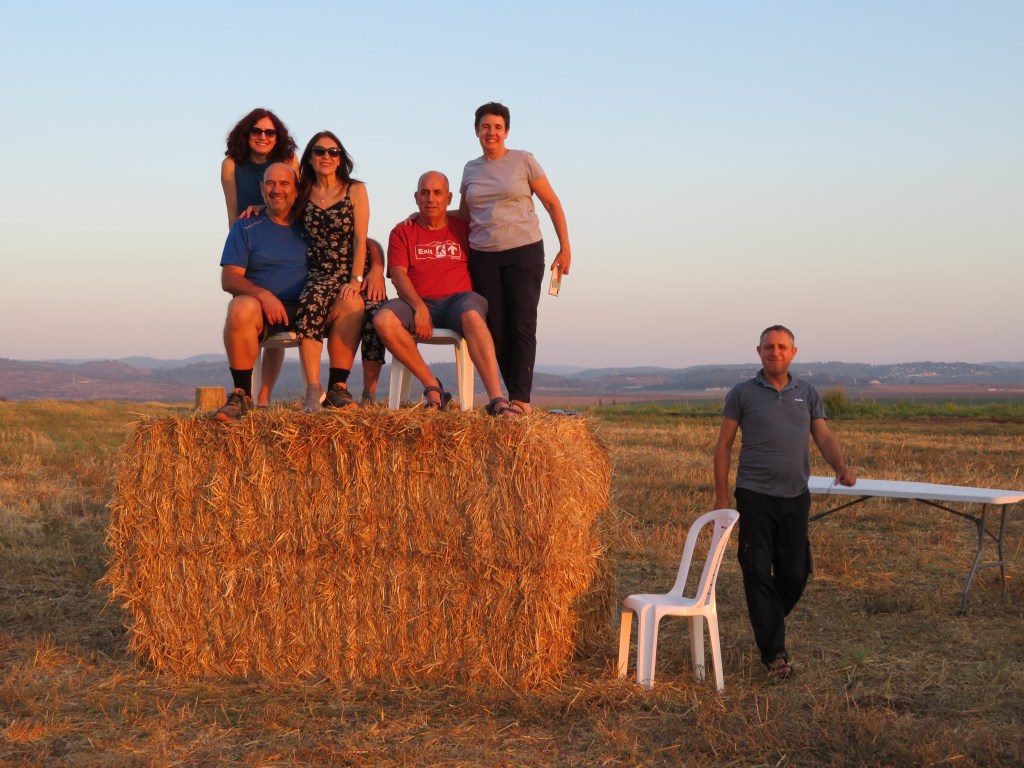
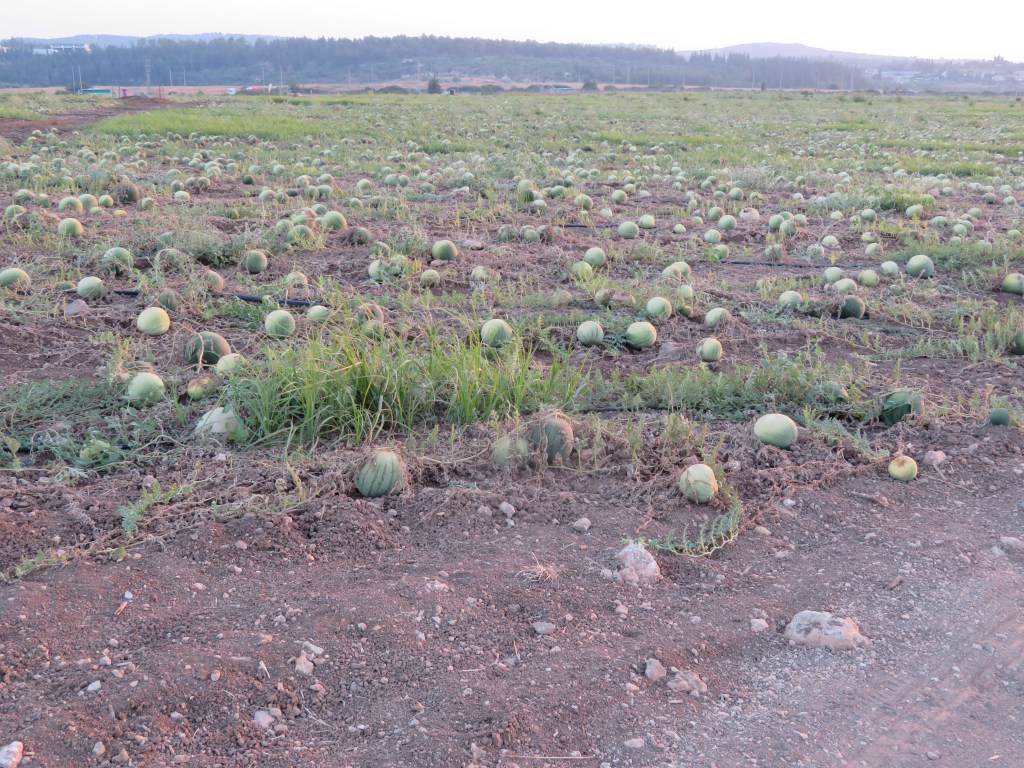
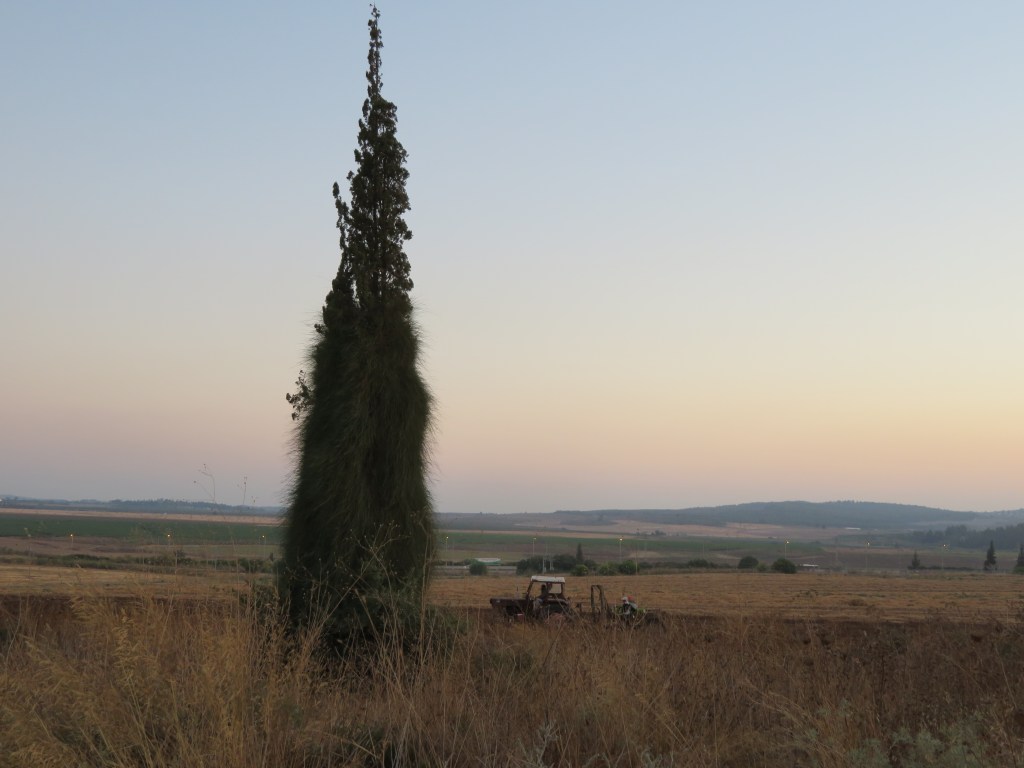
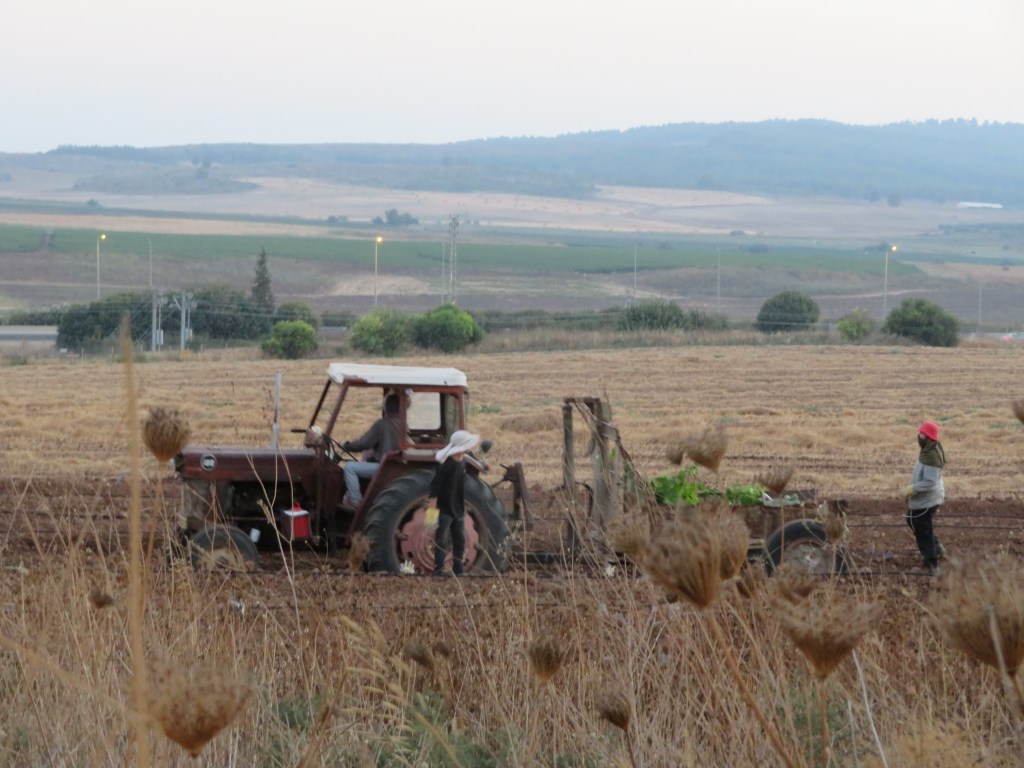
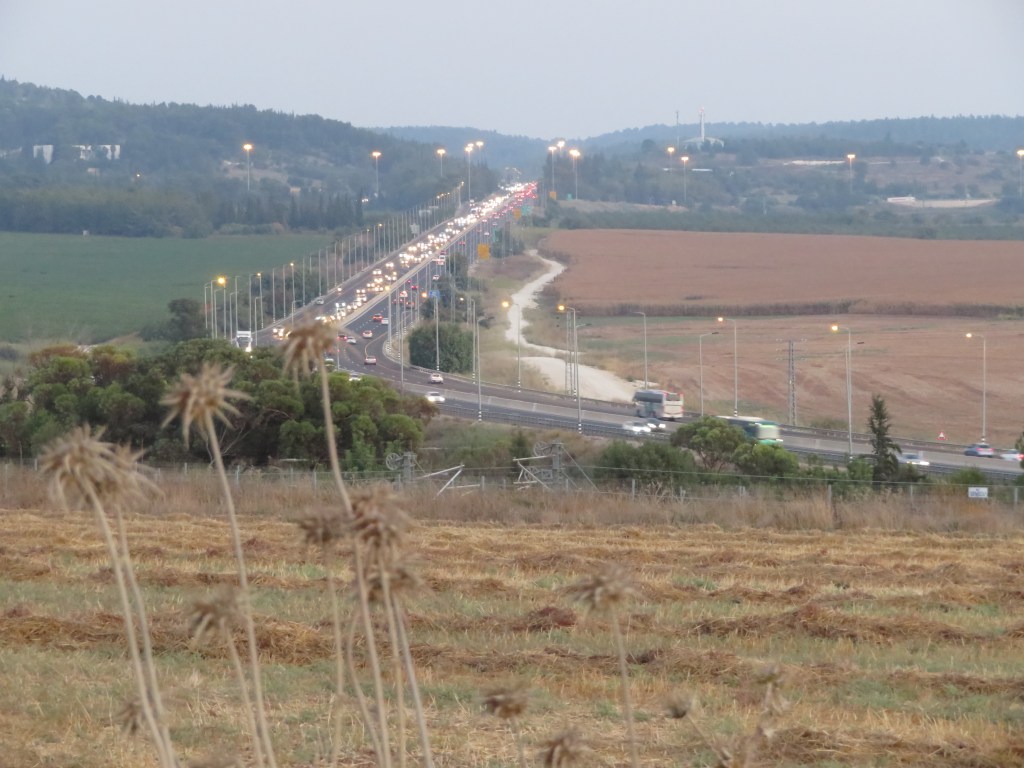
The shallow but broad Ayalon Valley is surrounded by softly rounded hills. The mid summer landscape is predominantly yellow hues with green accents. Agricultural fields, seemingly endless and without barriers, are worked by kibbutzim and moshavim (cooperative agricultural villages) of the region, but on land that is property of the state, and thus by law, accessible to the public. This region clearly invites rambling spirits like myself!
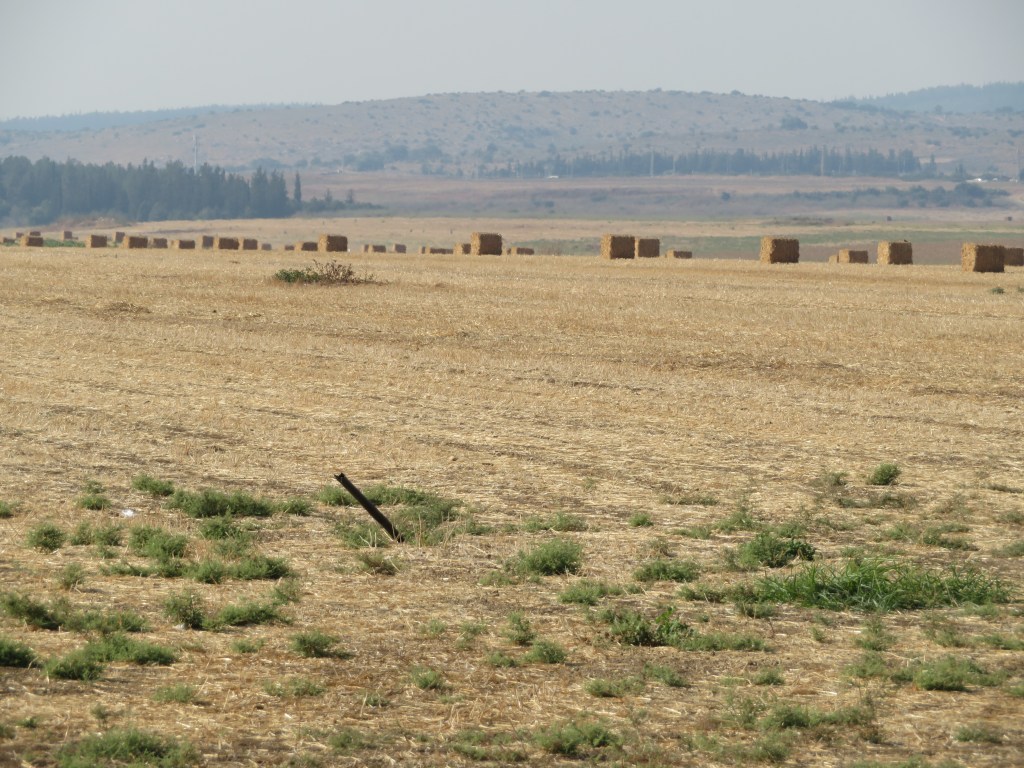
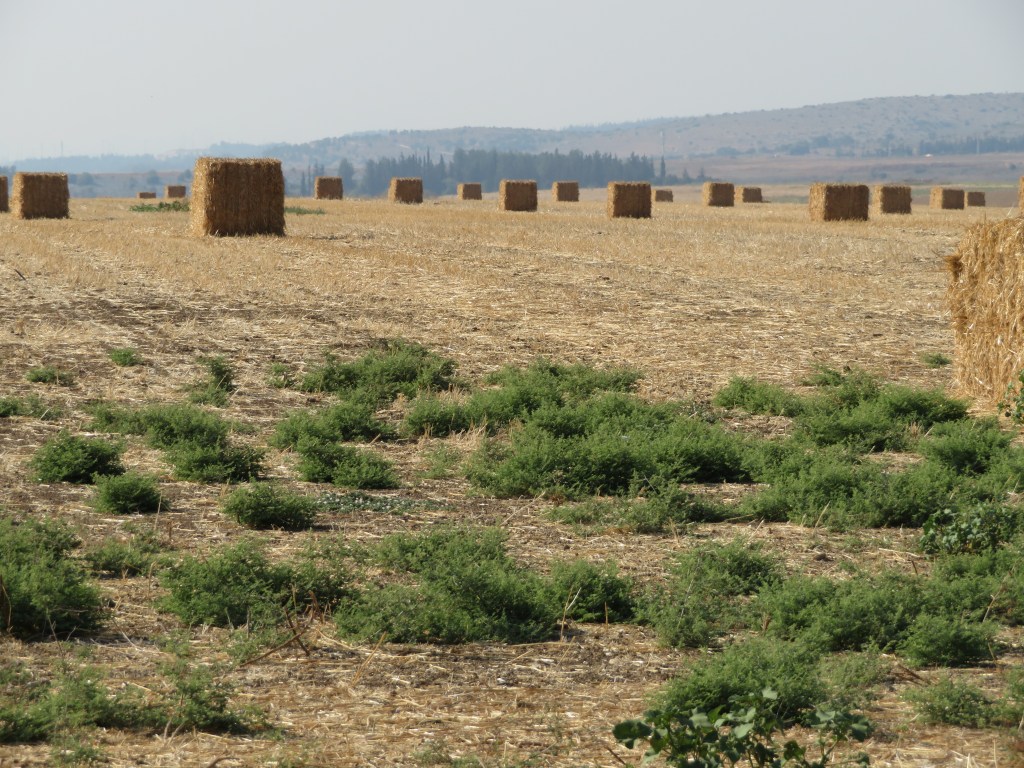
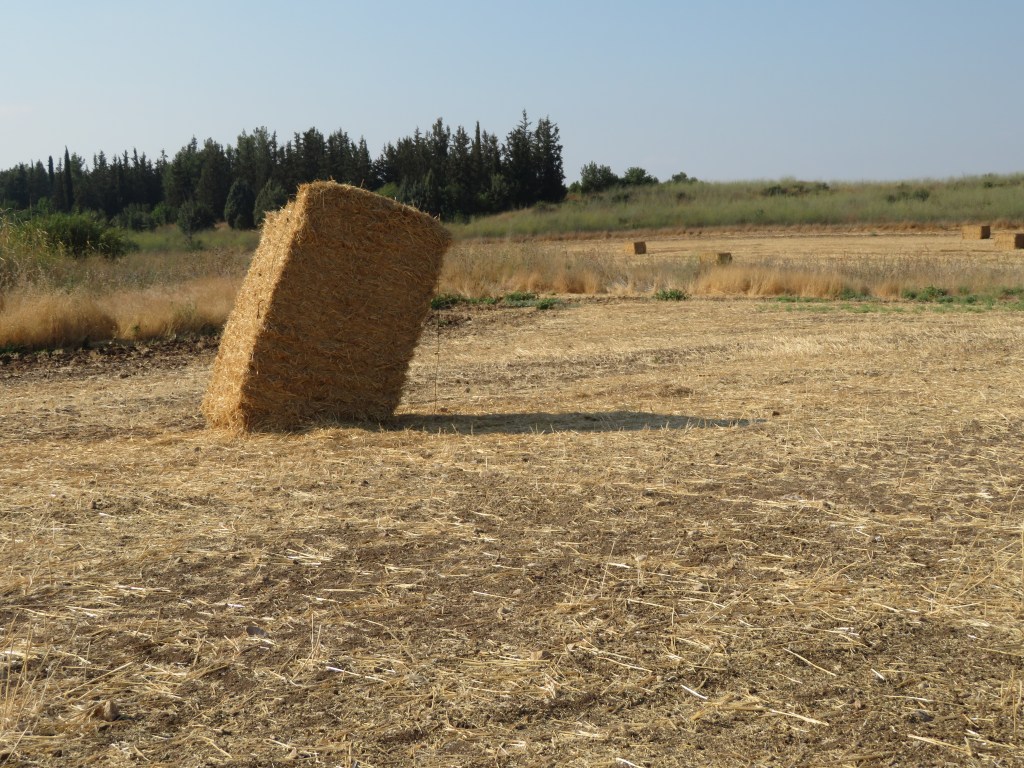
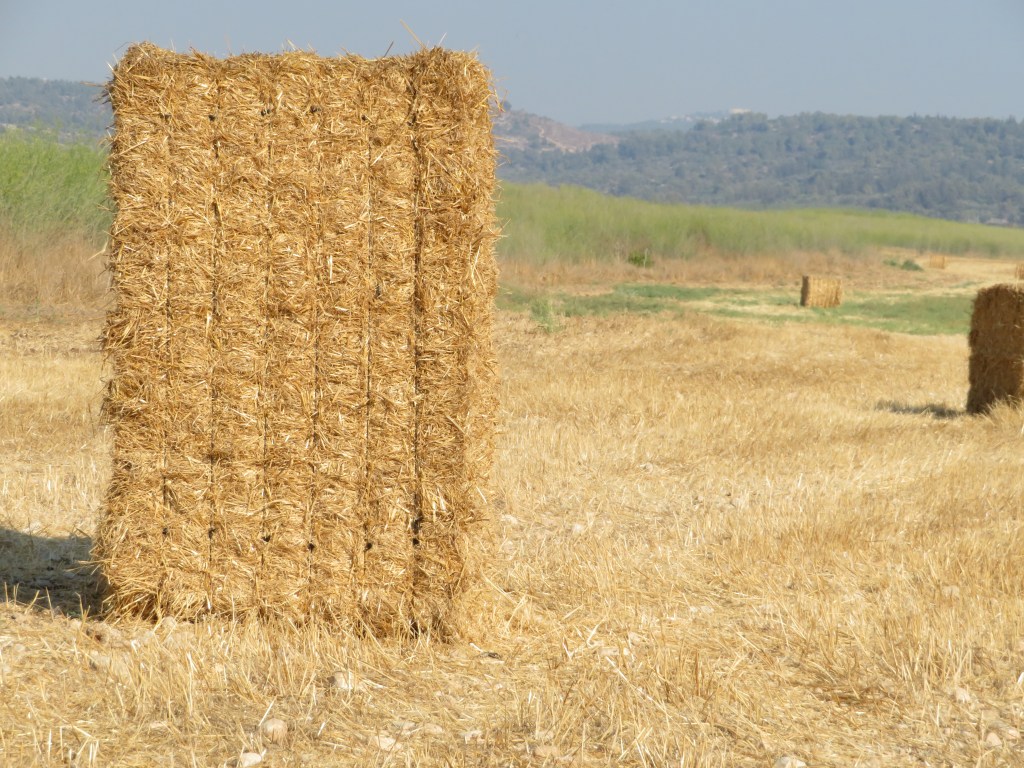
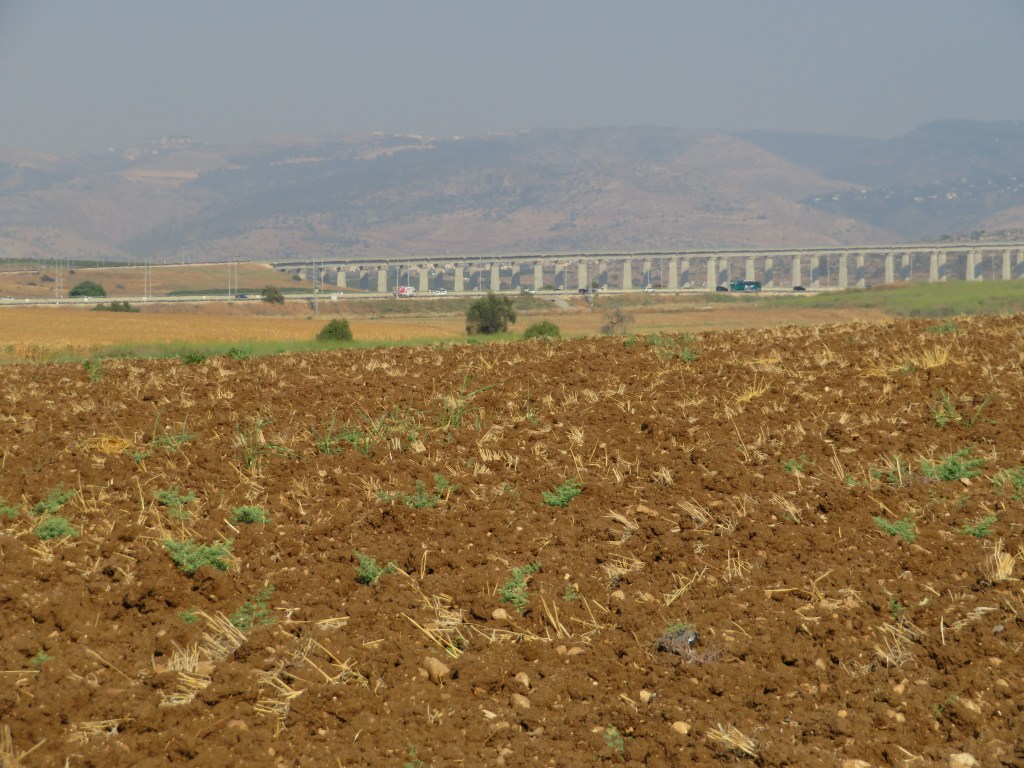
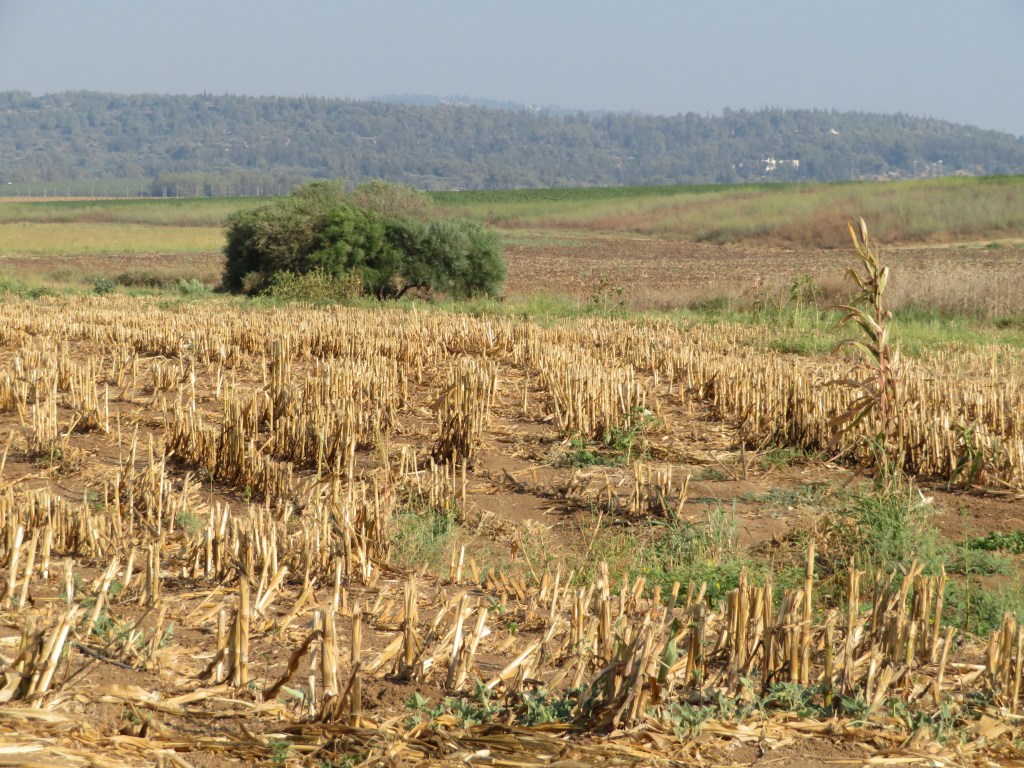
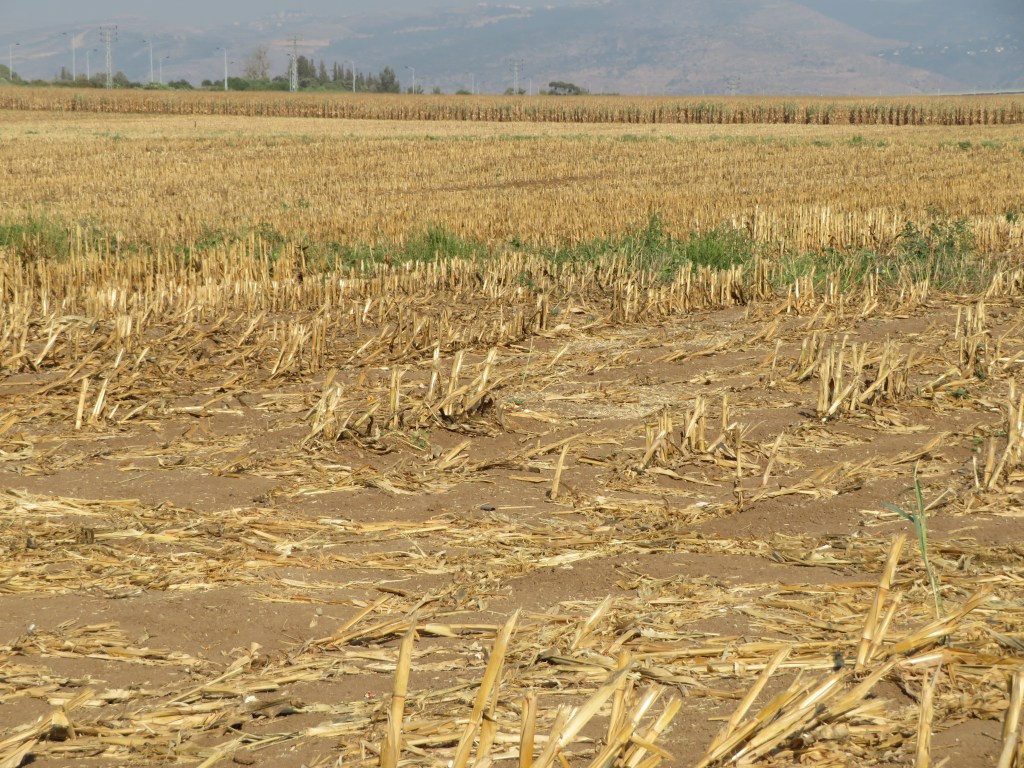

Land of the Maccabees – Northern flank of Ayalon Valley – Modiin Region
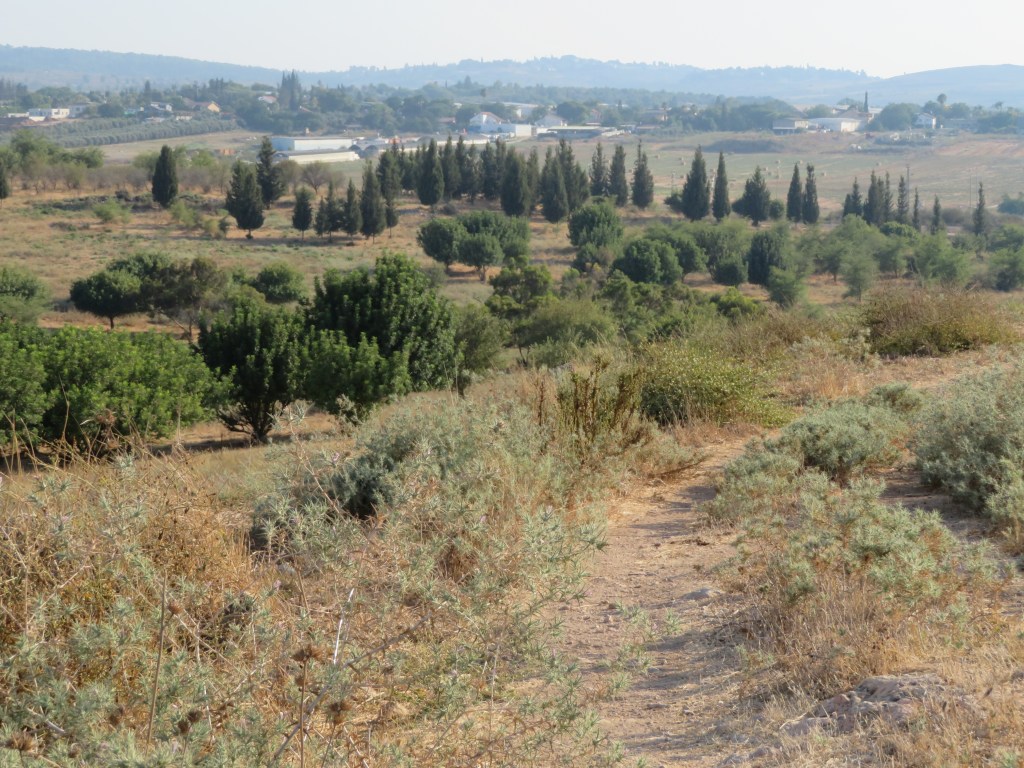
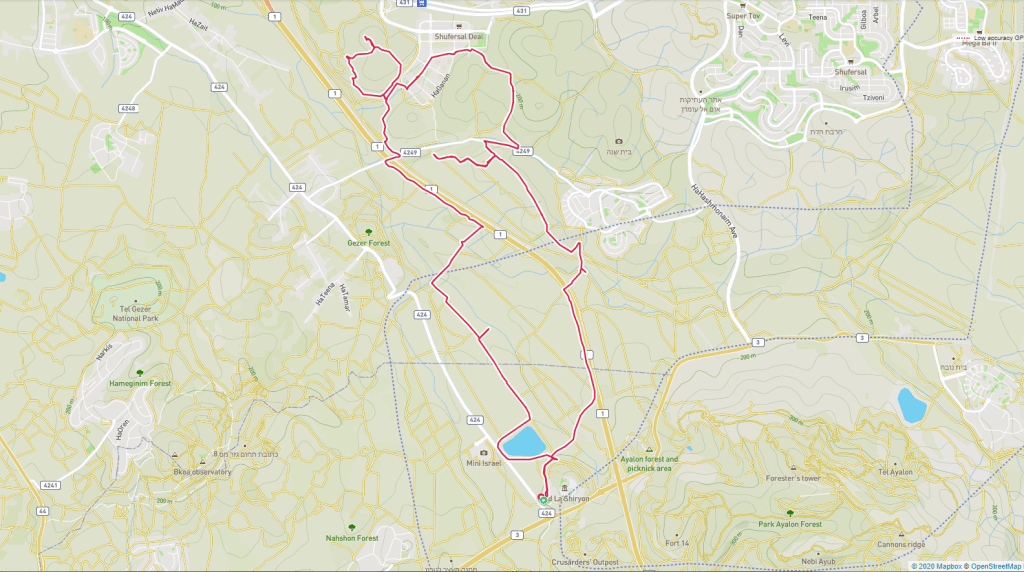
Bike route map
 Otto's note pad

Speechless, your knowledge is so vast and this is so well researched, lovely pictures that honour your dear aunt z”l, you certainly also have it in your genes, am so proud of our land as you are, and am of you. Hazak Veematz, Paul
LikeLike
Thank you Paul!!!
LikeLike
Very nice. Thank you Unable to submit my column, I am unwilling to publicize my information.
>
LikeLiked by 2 people
Beautifully portrayed, amazingly relevant to me, first because of my proximity to what is now one of the first luxury residential apartment block by Colombian architect Pedro Gómez but primarily because I inherited a copy of just that Rembrandt, one among three that each of us chose from my Otto my grandfather’s collection, what a coincidence! Isn’t Modhin where you were commissioned to make a bicycle folly in one of it’s children’s parks?
LikeLiked by 2 people
I must rectify: I don’t have a copy of that engraving. . . . nonetheless, wonderful way to connect the many pasts with our present. . . !
LikeLiked by 2 people