A mid-June, late afternoon, leasurly bike ride in the Land of the Philistines. About 22 kms., circular route on flat terrain.
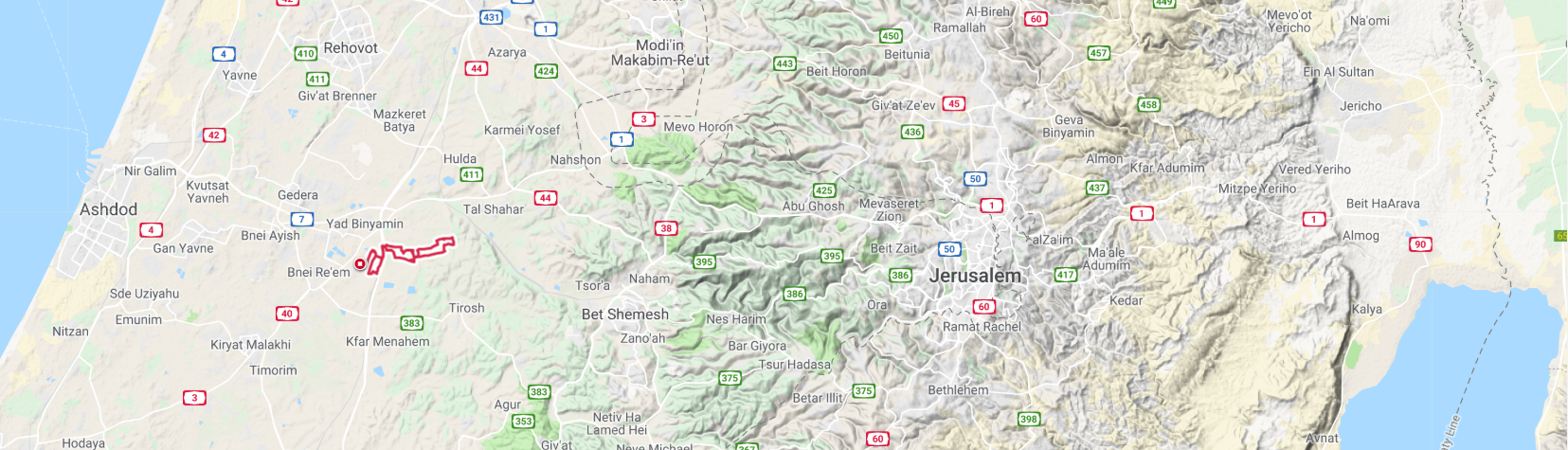
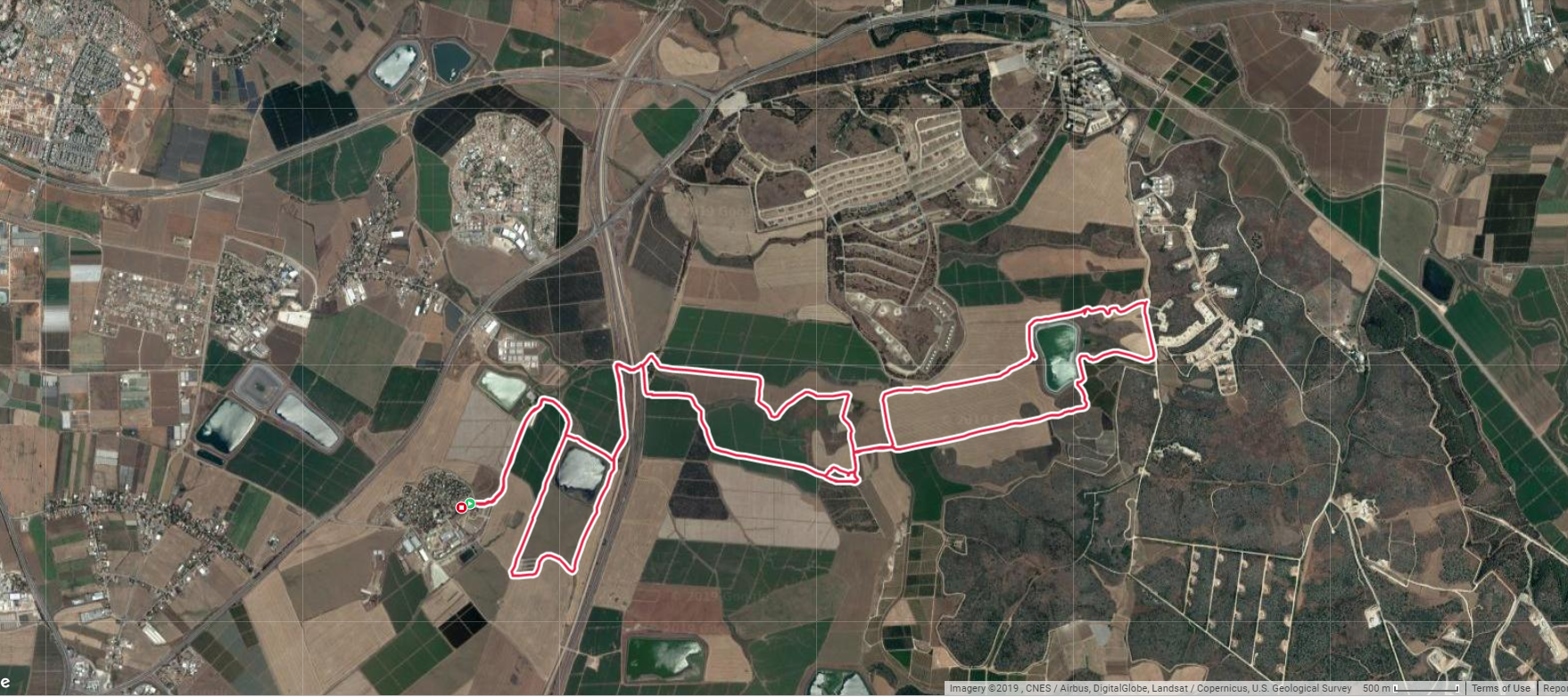
My starting point was Kibbutz Revadim, at Ofne Idan, the trailhead to a well marked bike route to the adjacent agricultural fields, antiquities sites, and a spring. The facility consists of a bike shop offering services to bikers who want to explore the region.
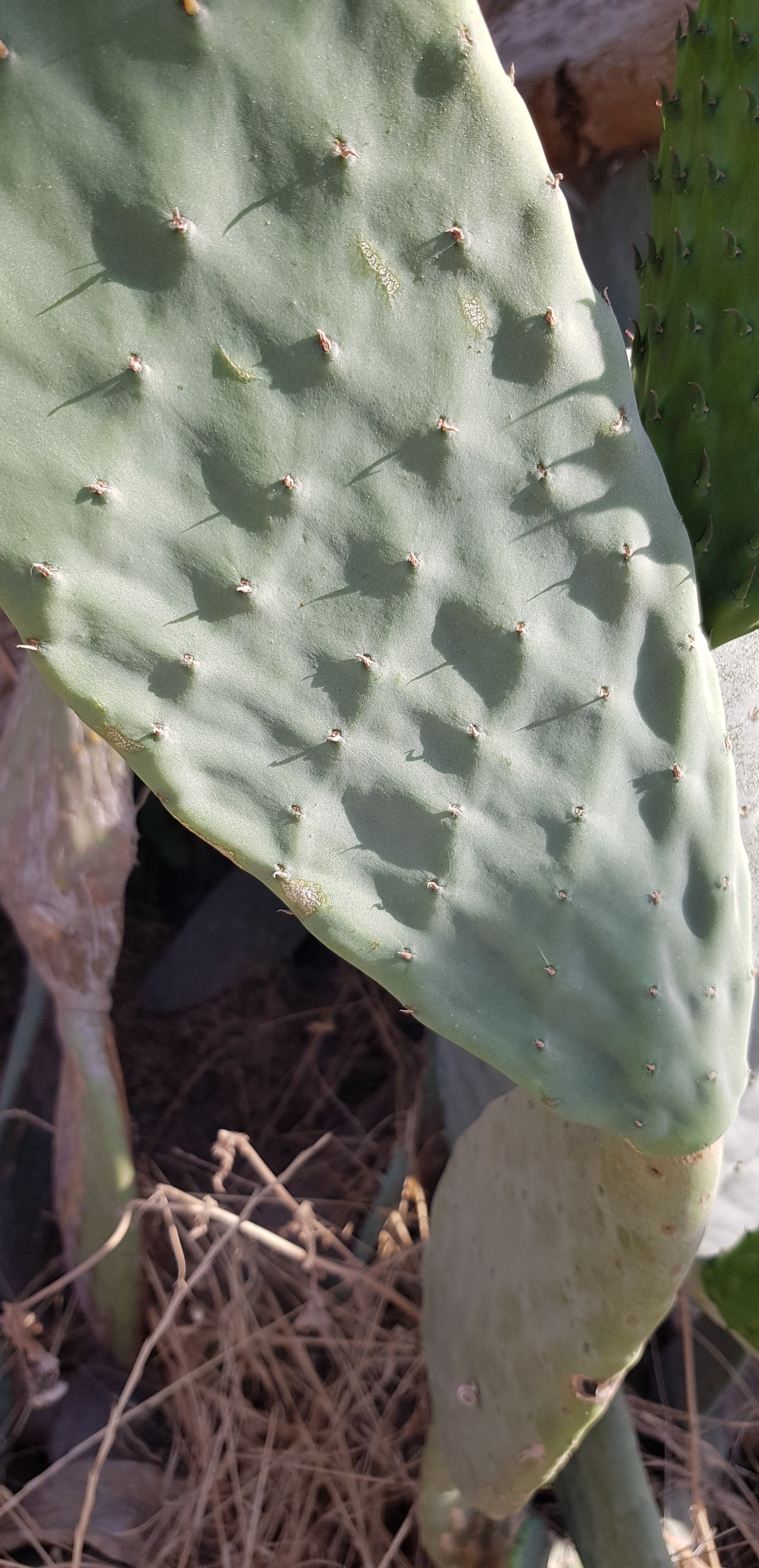
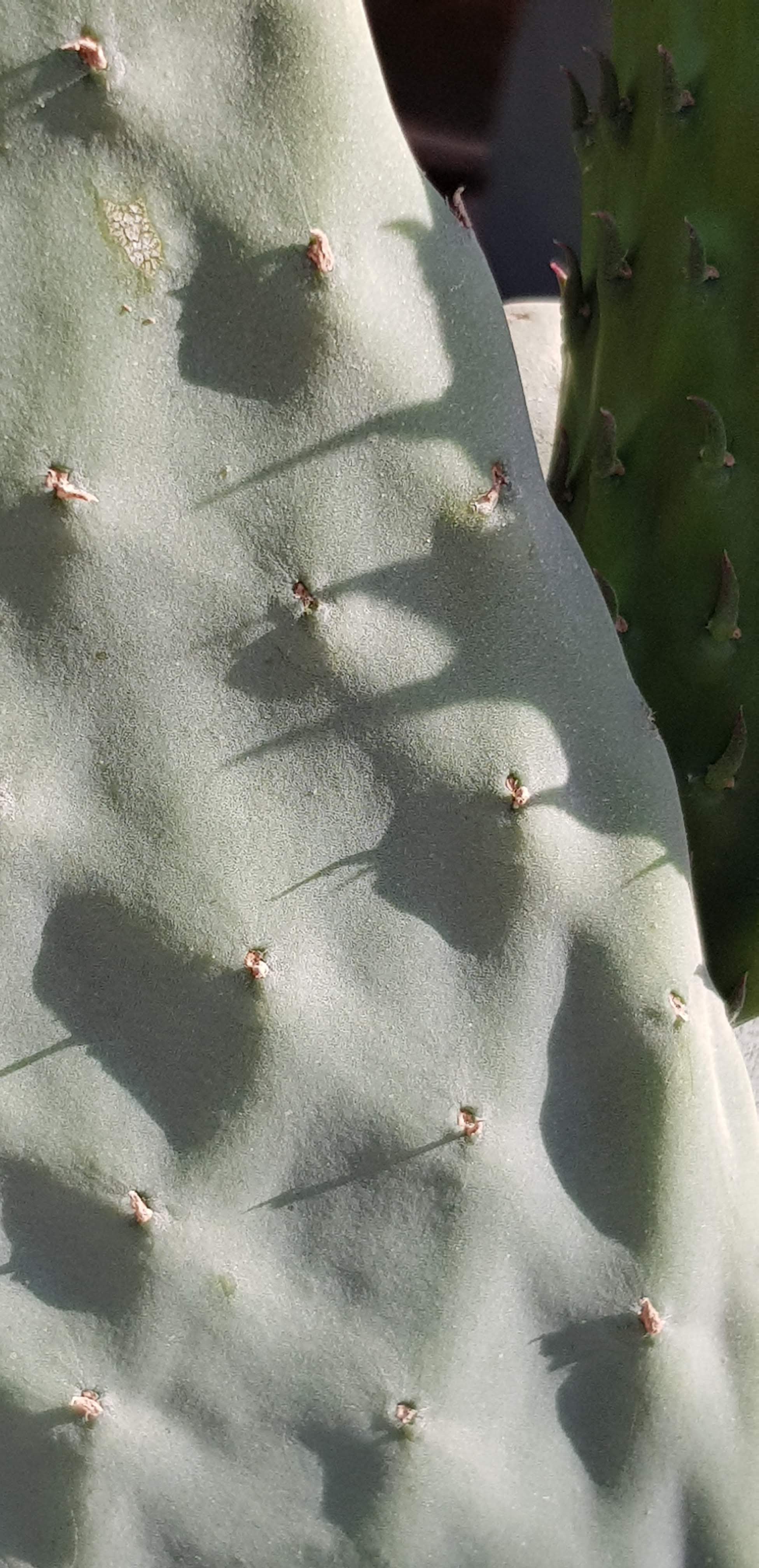
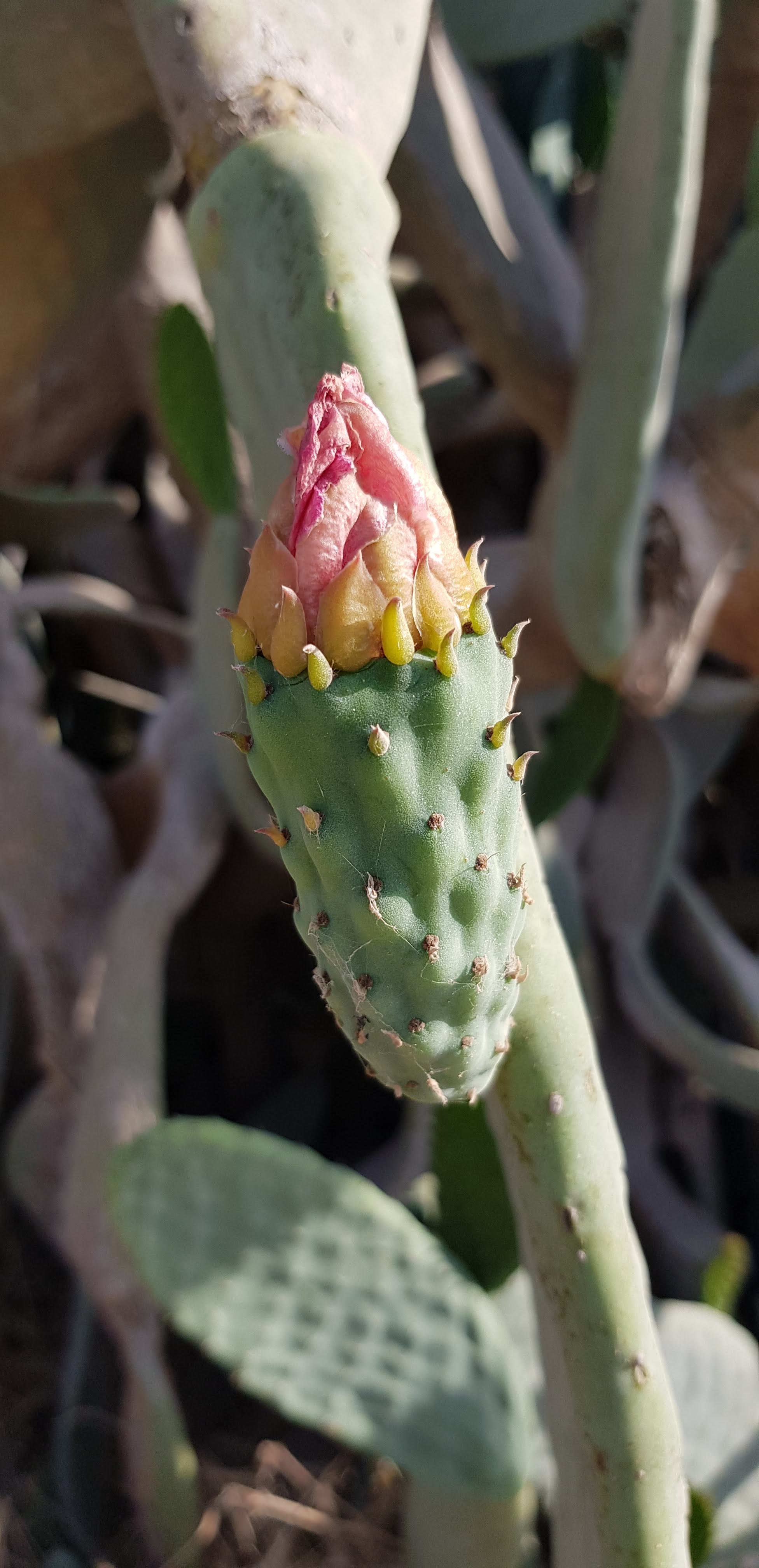
I rode east out of the kibbutz, but immediately a Sabra cactus hedge caught my attention.
After riding a few kilometers east, I arrived at the ruins of a Turkish railroad bridge.
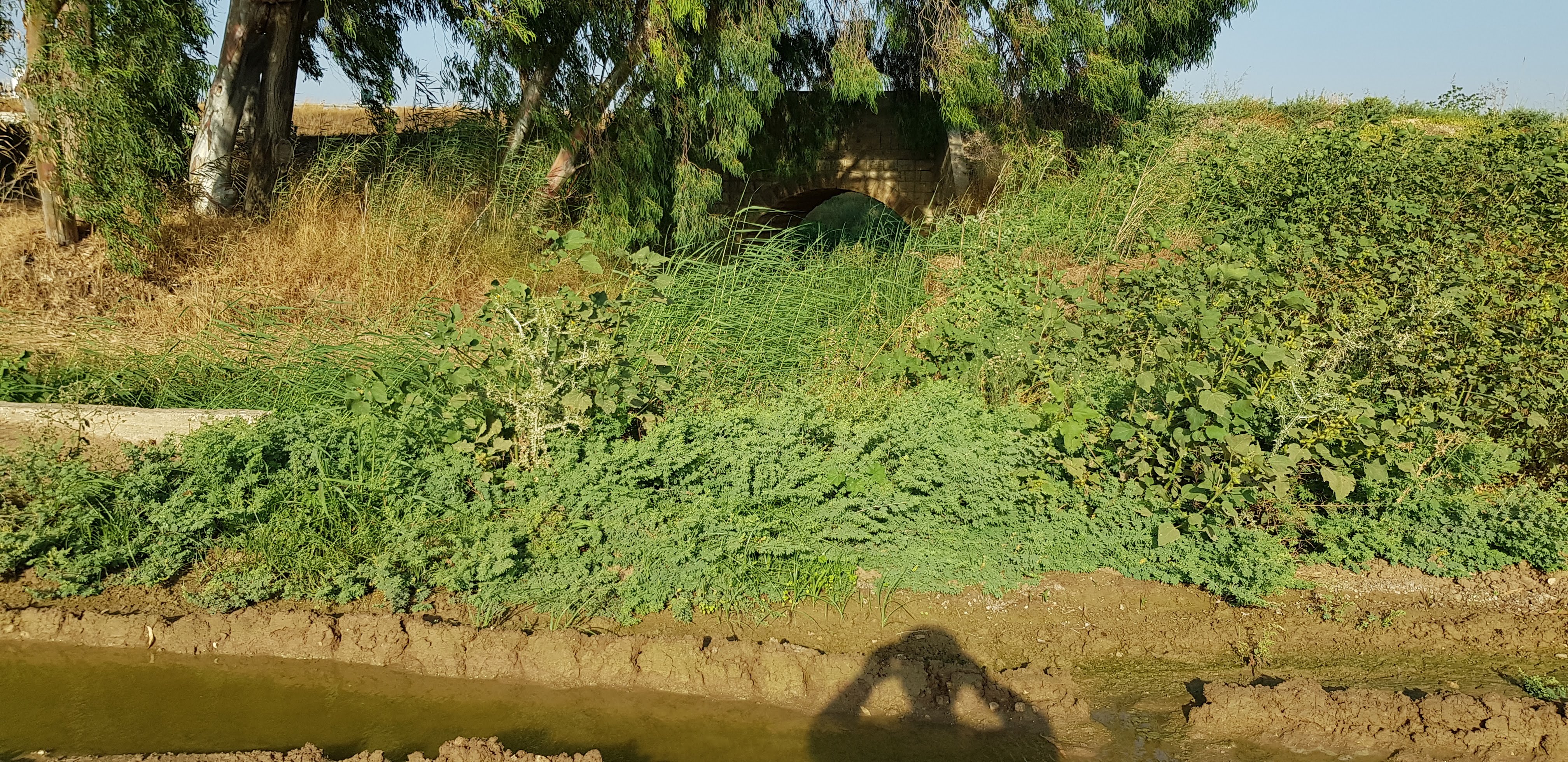
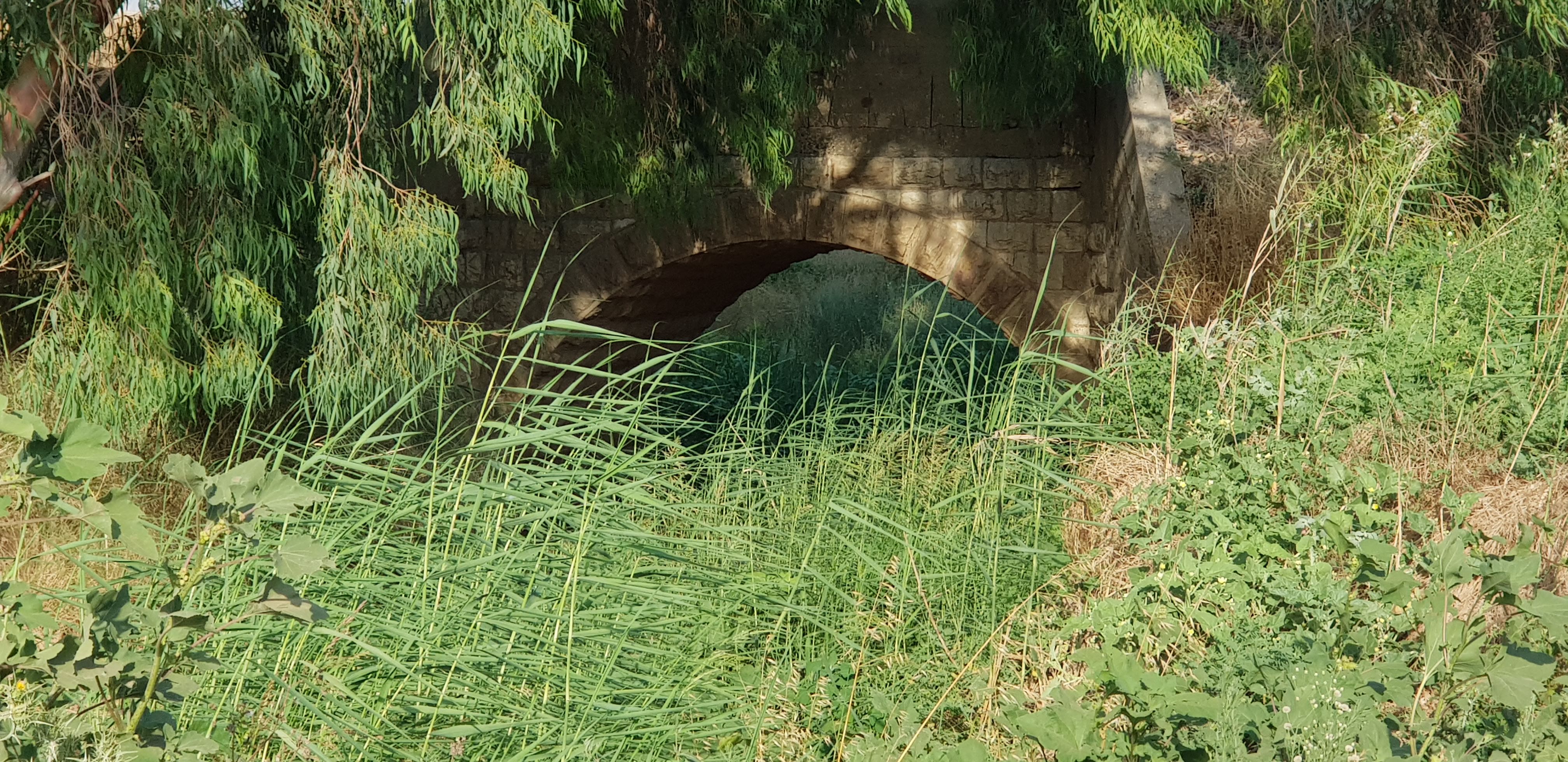
The Beersheba Line section of the Ottoman “Hijaz Railway”, from Wadi Surar (Sorek station west of Bet Shemesh) in the north, to Beersheba and southward until Kusseima in the North Sinai peninsula, was built during the beginning of WWI by the Turks, with the military purpose of supplying supplies and reinforcements to their troops to halt the British advance northwards from Sinai, as part of the Sinai and Palestine Campaign. Eventually the Turks and their Axis allies lost the war to the Allied forces, marking the fall of the Ottoman Empire, and bringing the redistribution of vast former Ottoman territories, between Great Britain (Mesopotamia and Palestine) and France (Syria and Lebanon). The Beersheva Line was opened by the Turks in October 1915, then upgraded by the British, who eventually dismantled it 3 years after it was opened. Remnants, as this one is, of this historic railroad can be seen at various points in the north Negev.
Until the 1st World War, the term Palestine referred to a part of the Ottoman Empire, a testimony of which remains this ruin of the railroad bridge.
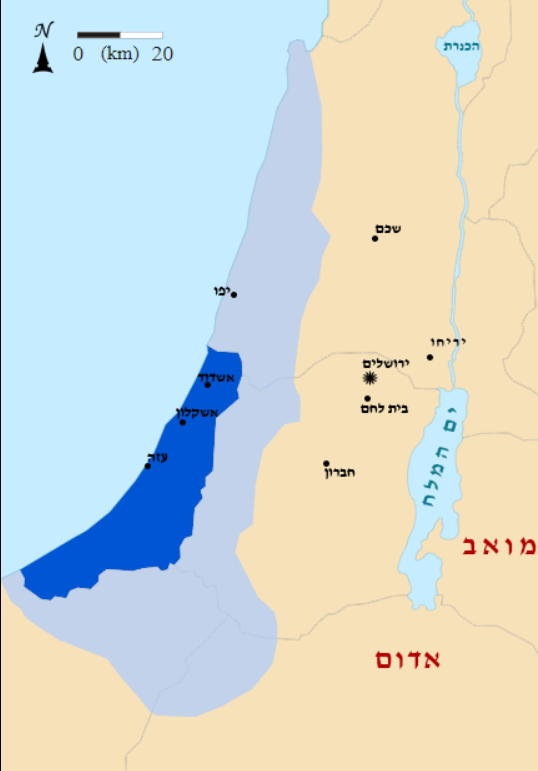
The term “Palestine” historically has referred to the land roughly north of Egypt and south of Syria. The Biblical origin of the name is פלשת or ארץ פלשתים , the Land of the Philistines. The Philistines were an ancient, originally seafaring people who settled on the southern Mediterranean coast of the Land of Canaan. Gaza, Ashkelon, Ashdod, Gat, Mikne, Ekron, were some of the main Philistine cities. Even though borders changed throughout the ages, and Philistine influence went far beyond, the Land of Philistines was the coastal plain, about 75 kms. long, from the Besor River to the south (spills into the sea at Gaza Strip), to the port city of Yafo to the north, bordered to the east by the Judean Lowlands and and Ephraim hills about 25 kms. to the east of the coast line. Not to be confused with the parts of the west bank, located far to the east, up on the ridges and on the eastern flanks of the Judean and Samarian hills, administered by the Palestinian Authority!
At Kibbutz Revadim, where I started my ride, the Ekron Museum of the History of Philistine Culture is located. Worth a visit! https://www.gemsinisrael.com/the-gems/the-olive-culture-of-the-holy-land/a-reconstructed-philistine-street/
I continued my ride for a few hundred meters north along Highway 6 until the underpass highway crossing, along the Timna stream. The stream had flowing water. After crossing the highway is a lovely pool in the shade with clean, running water – a wonderful spot to cool off and wade into the water.
From there I followed the marked dirt road east until Tel Ekron. This Tel, similar to Tel Timnata or Tel Batash, another nearby Philistine tel I have visited, is not a very obtrusive element in the landscape. It rises some 6 – 9 meters above its surroundings on a gentle slope, looking much the same as the surrounding undulating terrain. Yet, in spite of its modest appearance, it is a significant Philistine archeologial site. See link above for more information.
Tel Ekron
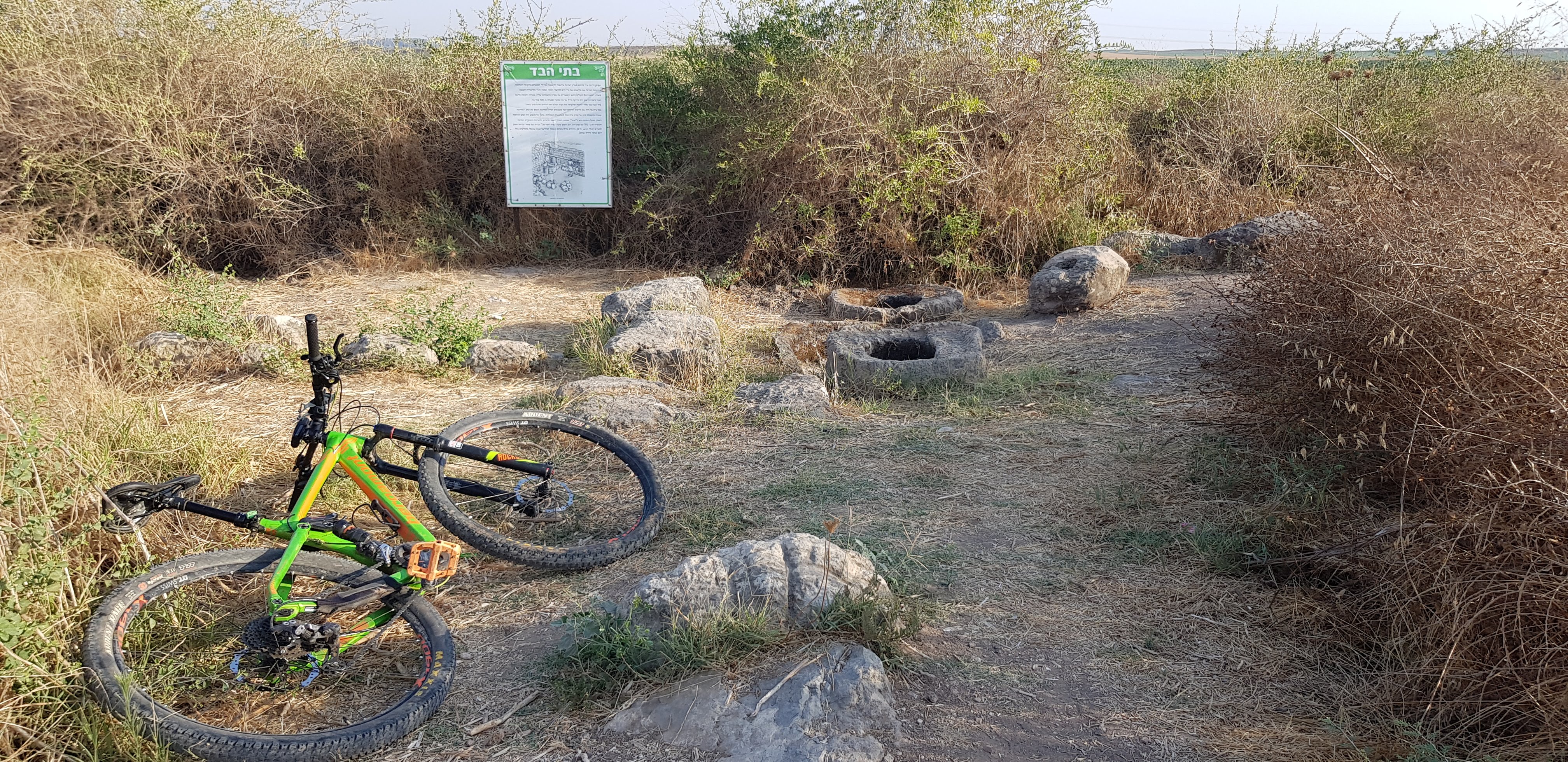
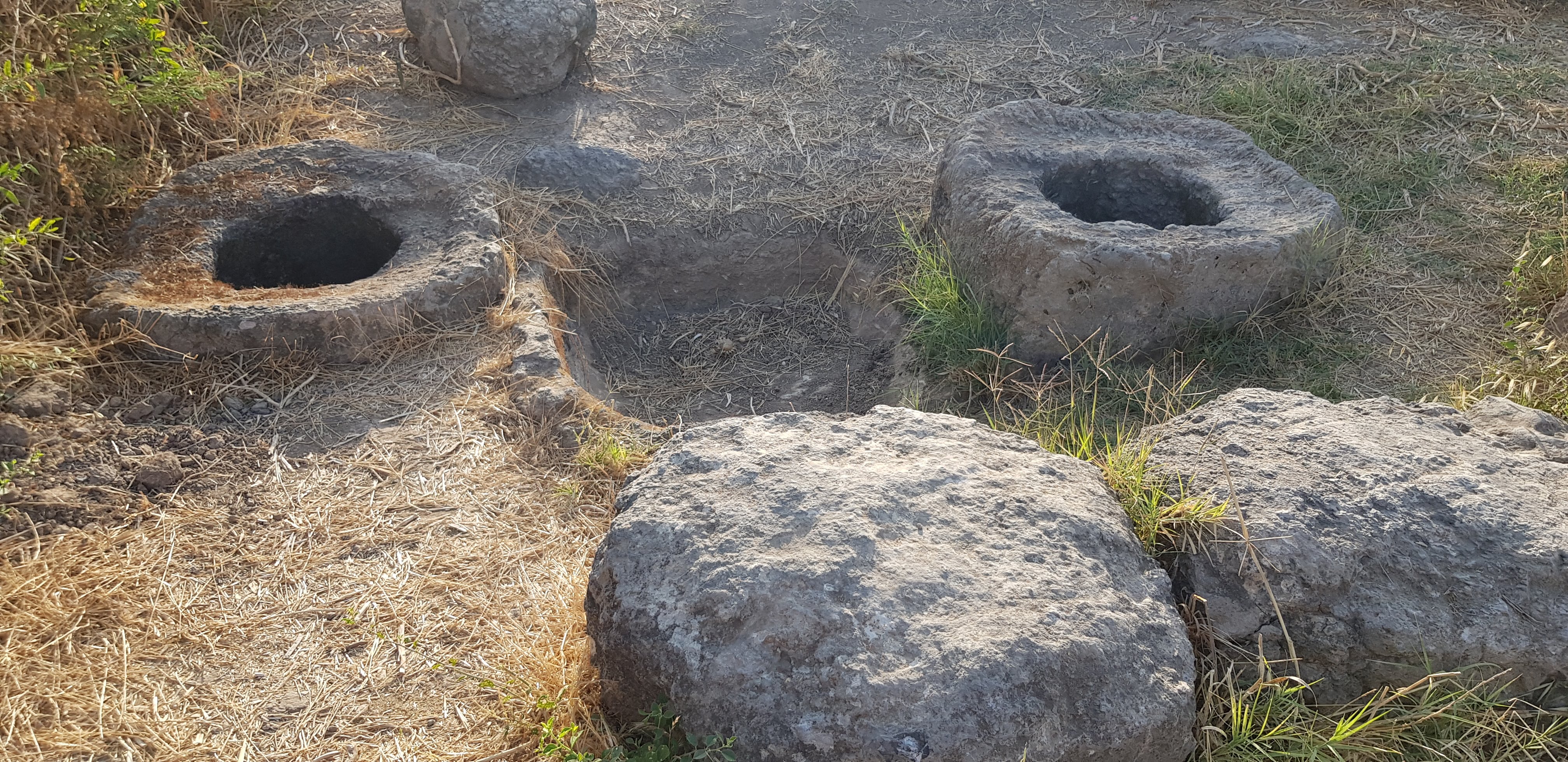
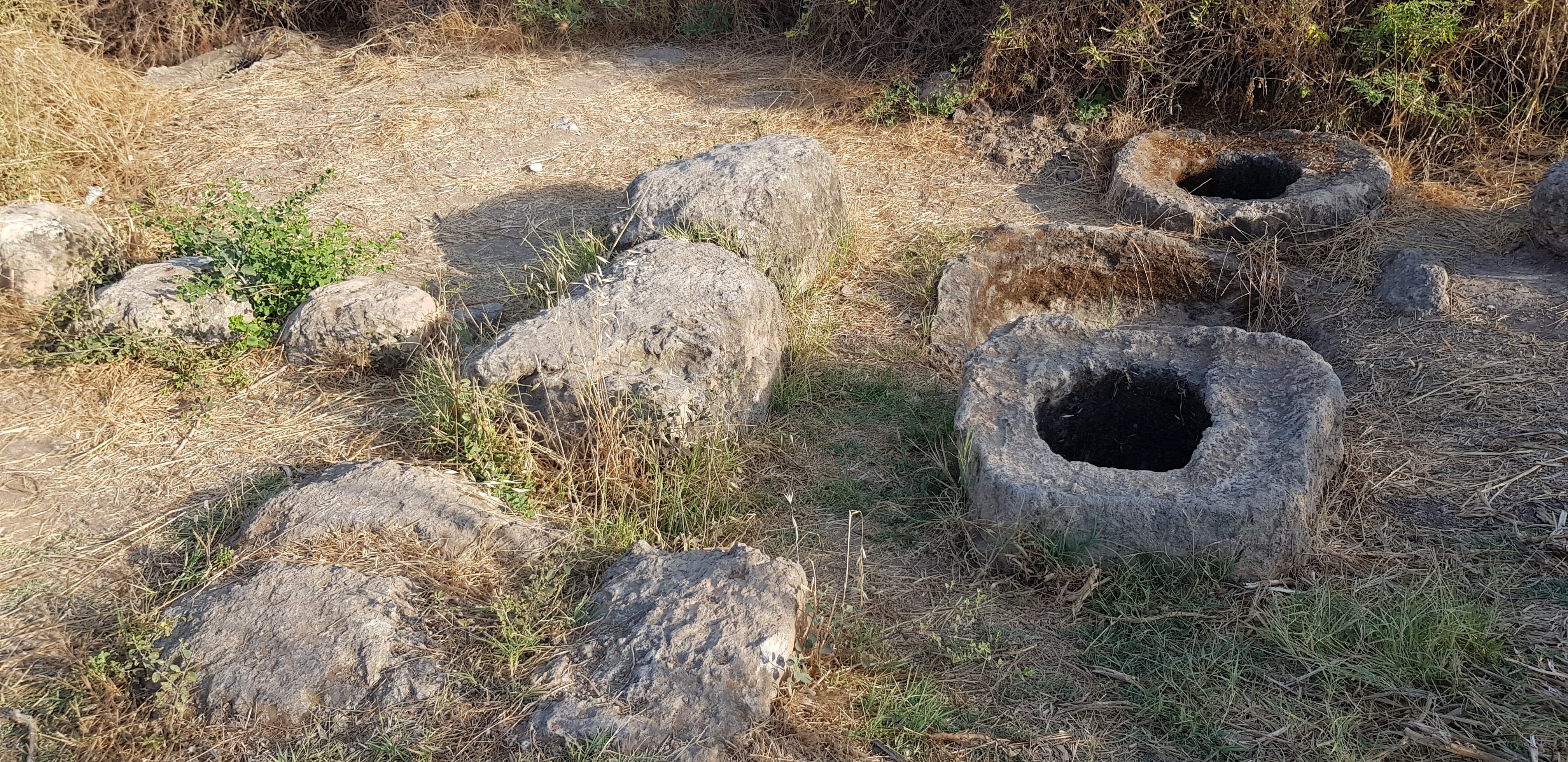
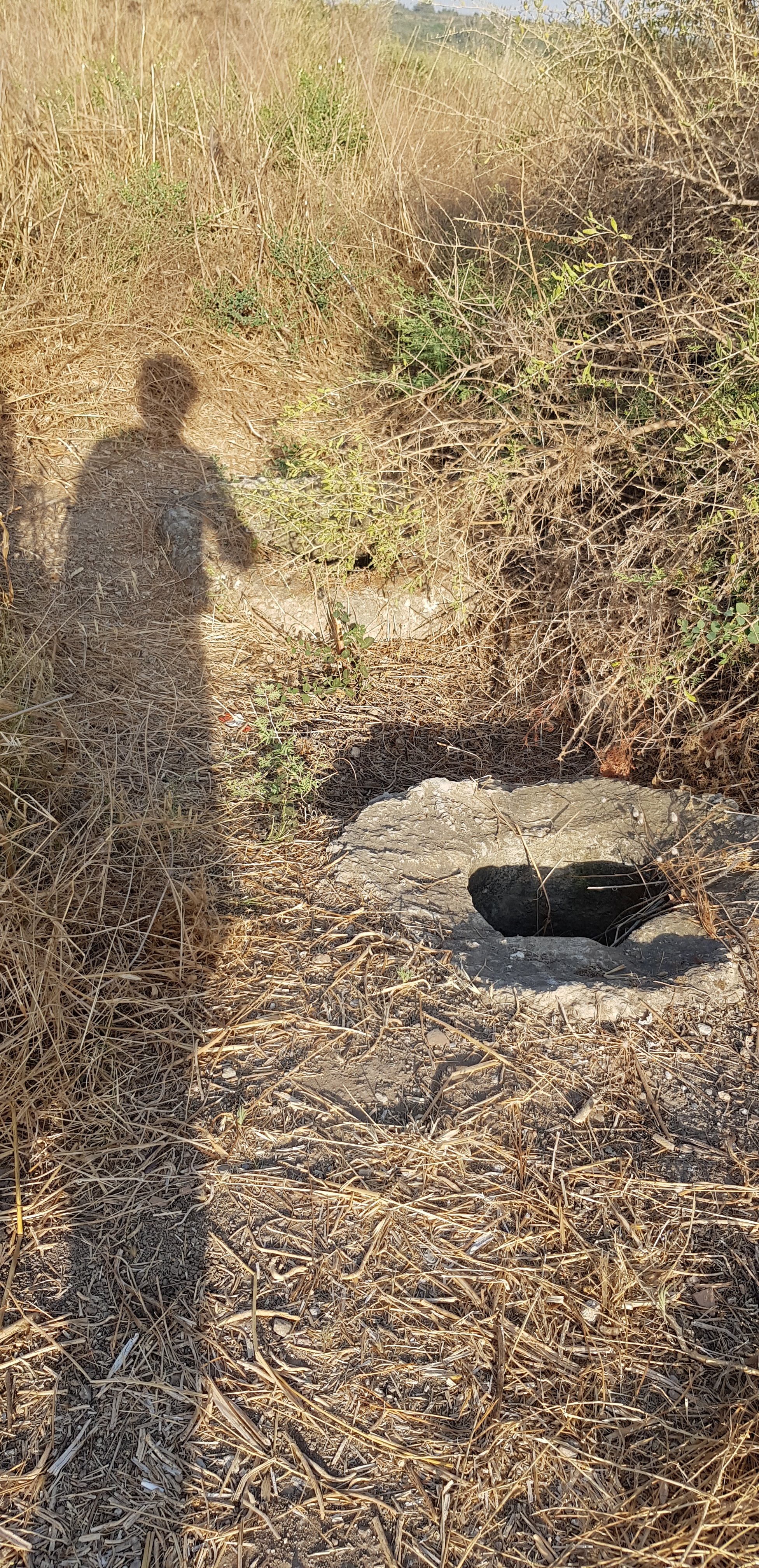
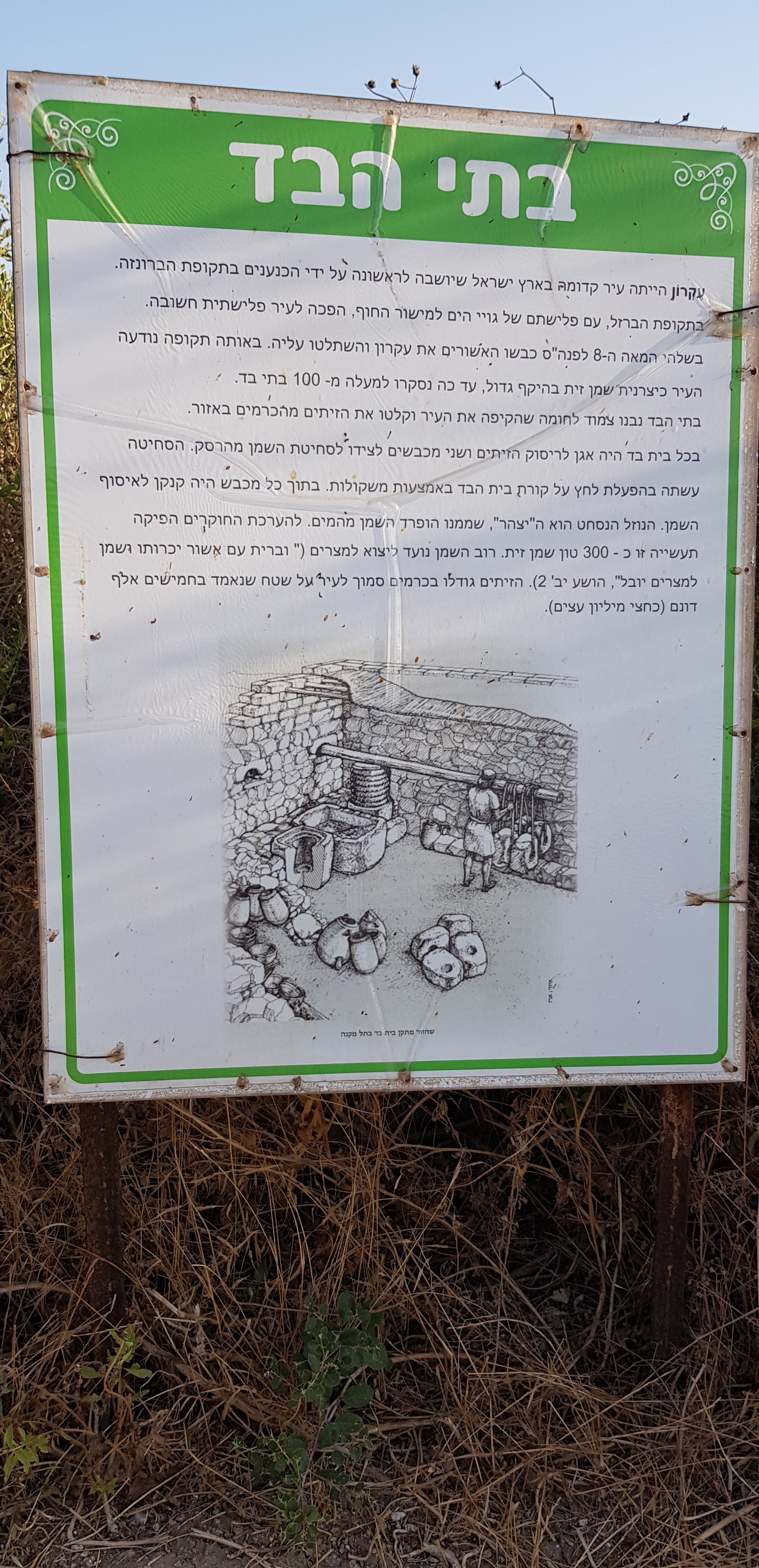
Ekron was an ancient city in the Land of Israel, which was originally settled by Canaanites in the Bronze Age. During the Iron Age, with the invasion of the peoples of the sea, it became an important Philistine city. In the early 8th Century BCA, Assyrians conquered and reigned over the city, During that time, the city became famous as an exporter of olive oil. To date, more than 100 olive presses have been discovered.
The olive presses were located next to the city walls, and received the olives cultivated in the surrounding groves.
Each olive press consisted of 1 trough for crunching the olives, and 2 presses to squeeze the oil from the pap. A wooden beam with weights hung from it was used for pressing. Each press had a pitcher to collect the oil. From this liquid, water was separated from the oil. Researchers estimate that this industrial site produced about 300 tons of olive oil. Most of the oil was exported to Egypt. “…they make an alliance with Ashshur, and oil is carried into Mizrayim [Egypt].” Hoshea 12,2. The olives were cultivated in groves adjacent to the city, in an area estimated at 5000 hectares.
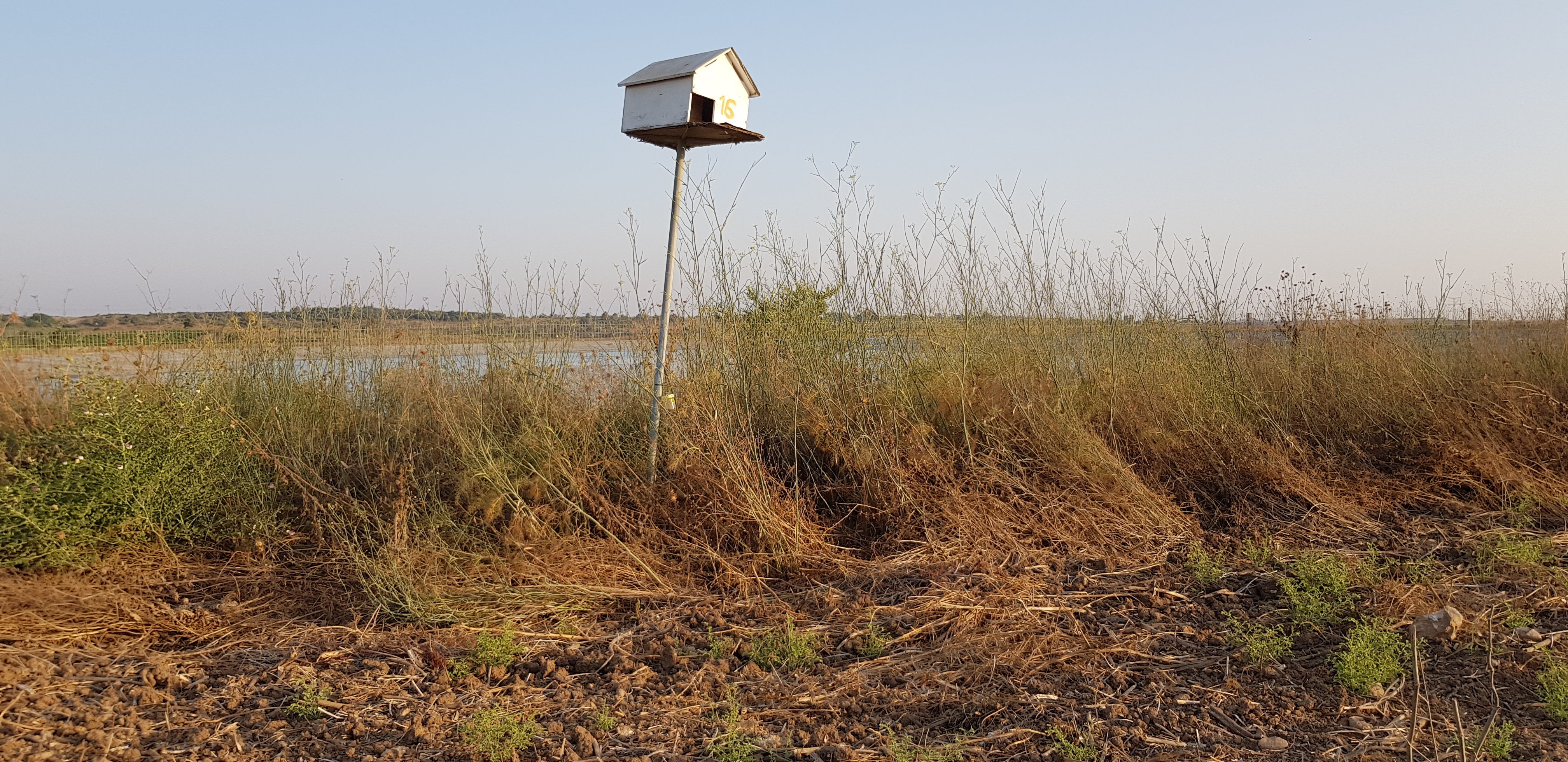
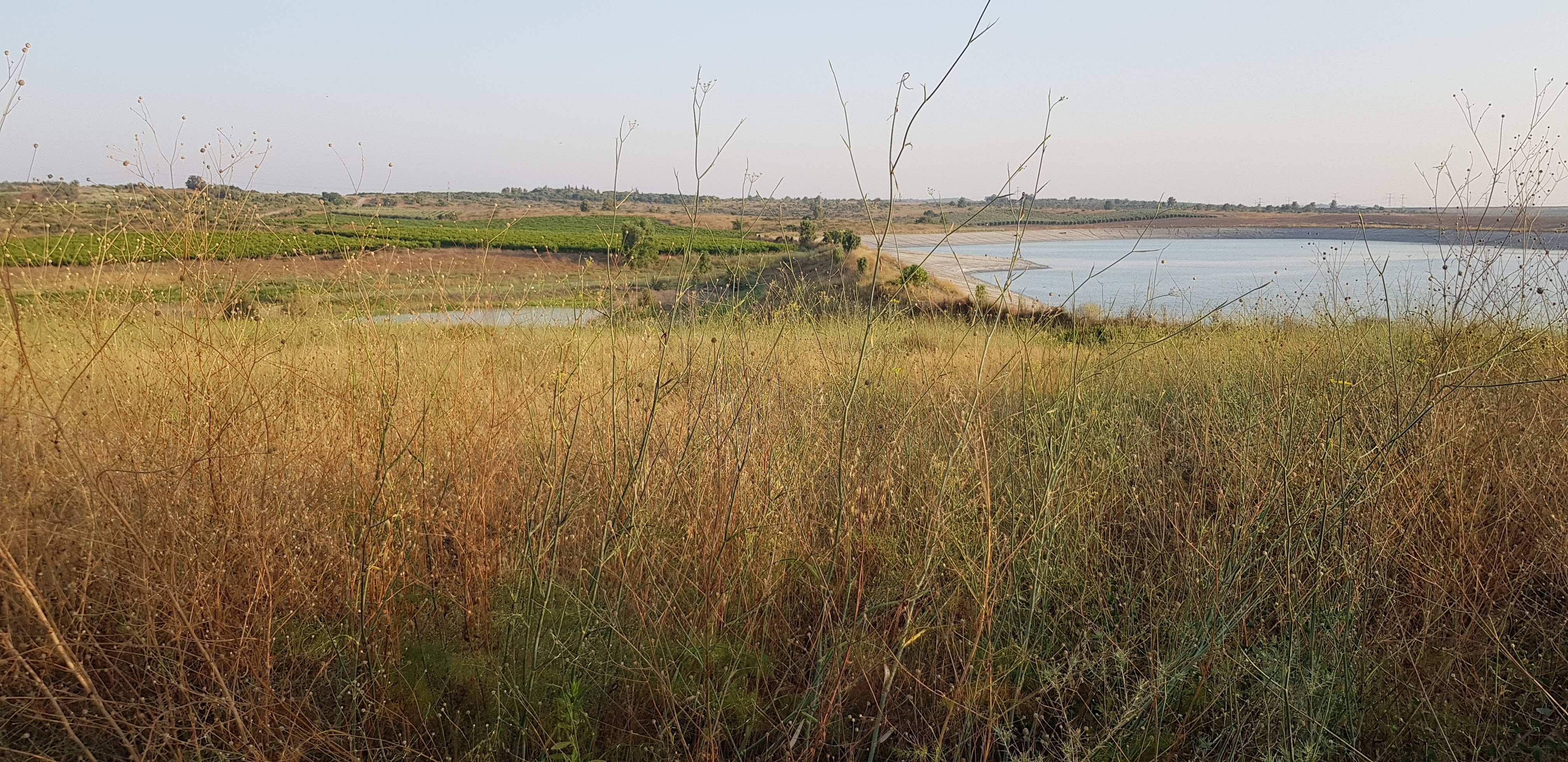
Anot and and other nearby reservoirs are a birdwatcher paradise. See following link for birds in the area:
Press on the following link to hear the sounds I recorded:
https://drive.google.com/file/d/1-9X85_jmZAnb05jmGUxmNhpB1bvnoiXu/view?usp=sharing
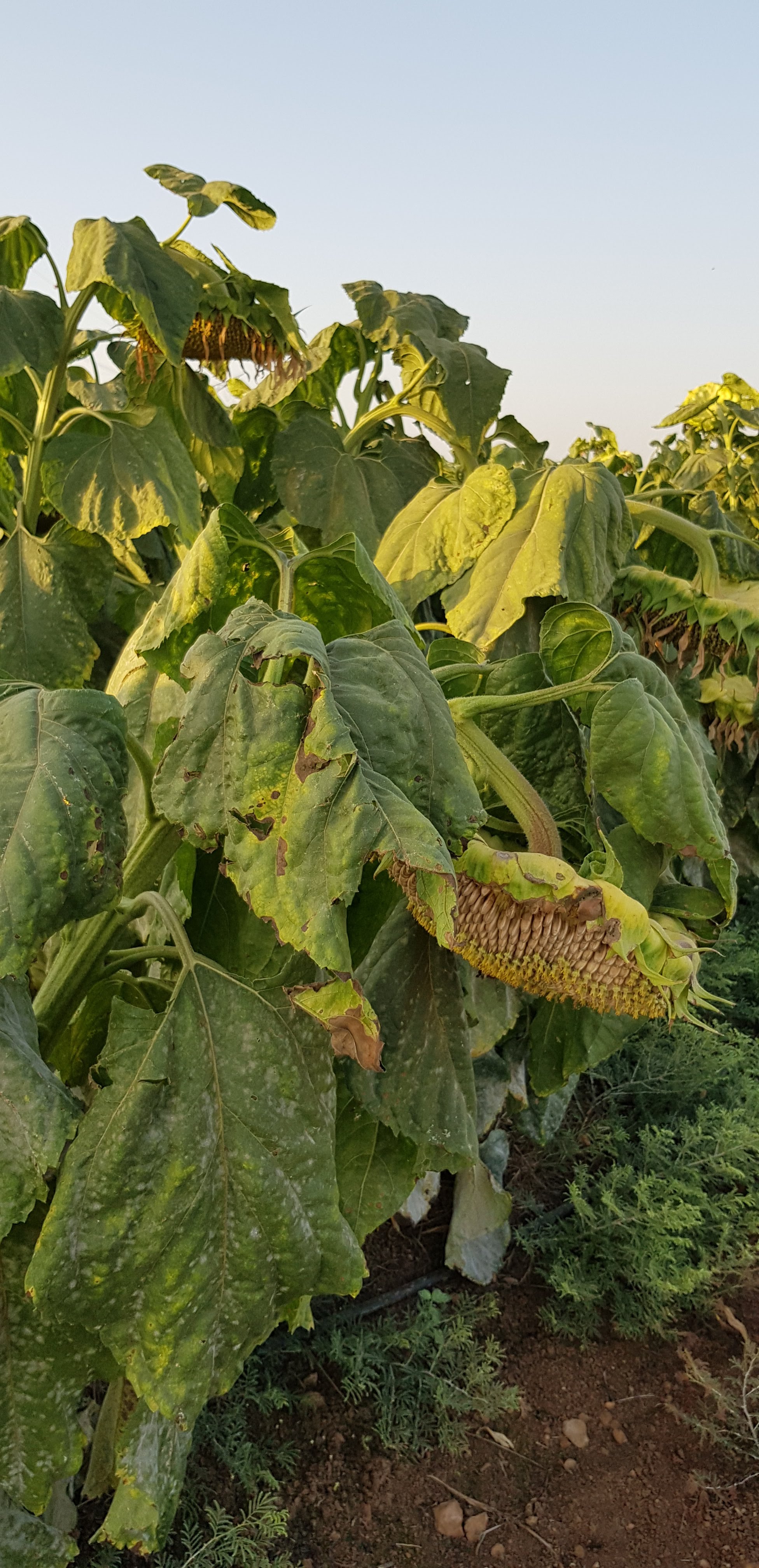
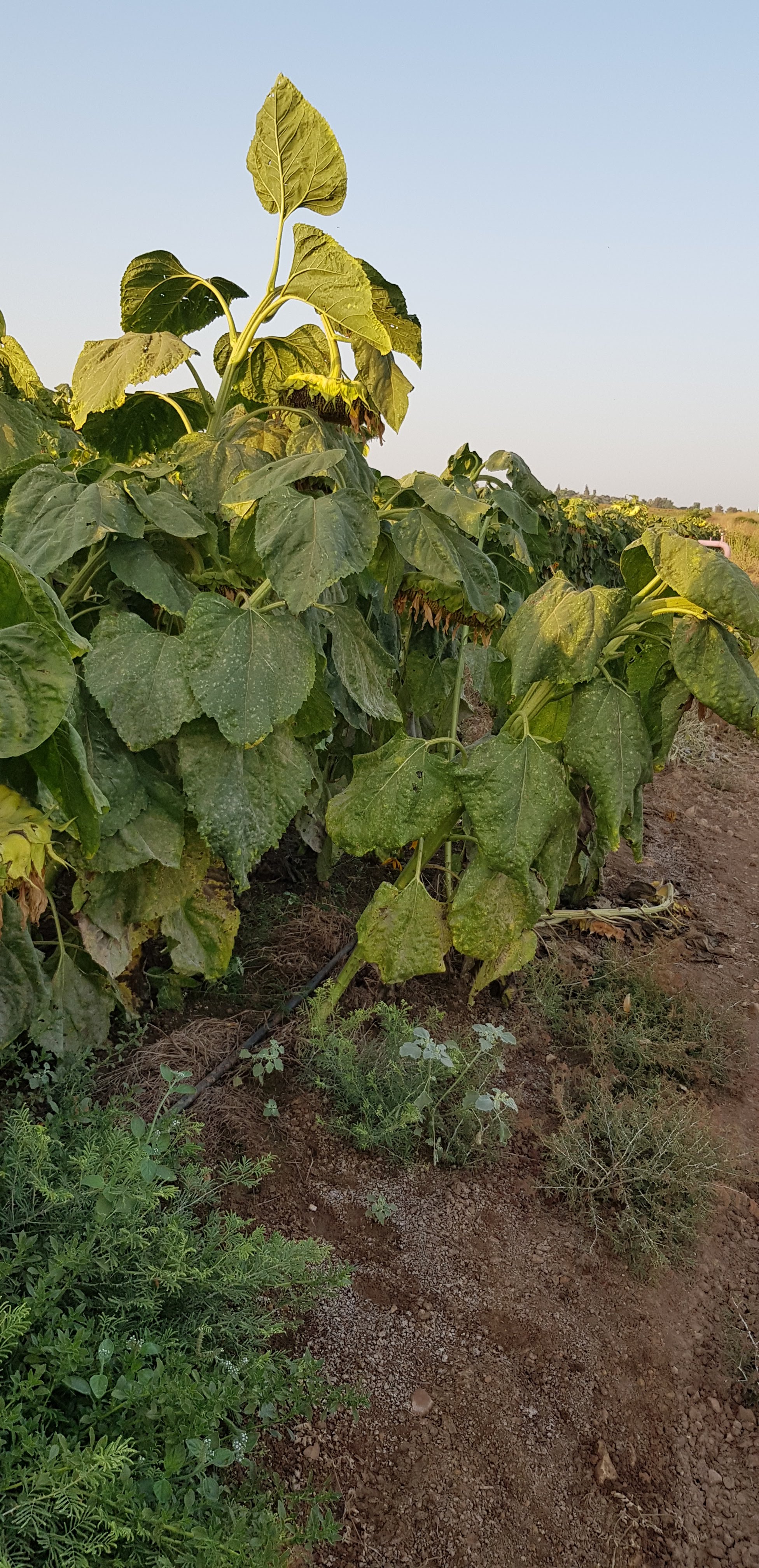
The fields I passed have wheat and sunflower crops, olive and grenade tree groves. As I rode back to my starting point, the sun was setting. Were the sunflowers going to sleep at the end of the day, or were they wilting at the end of their season?
I missed a snake that crossed the road some time before.
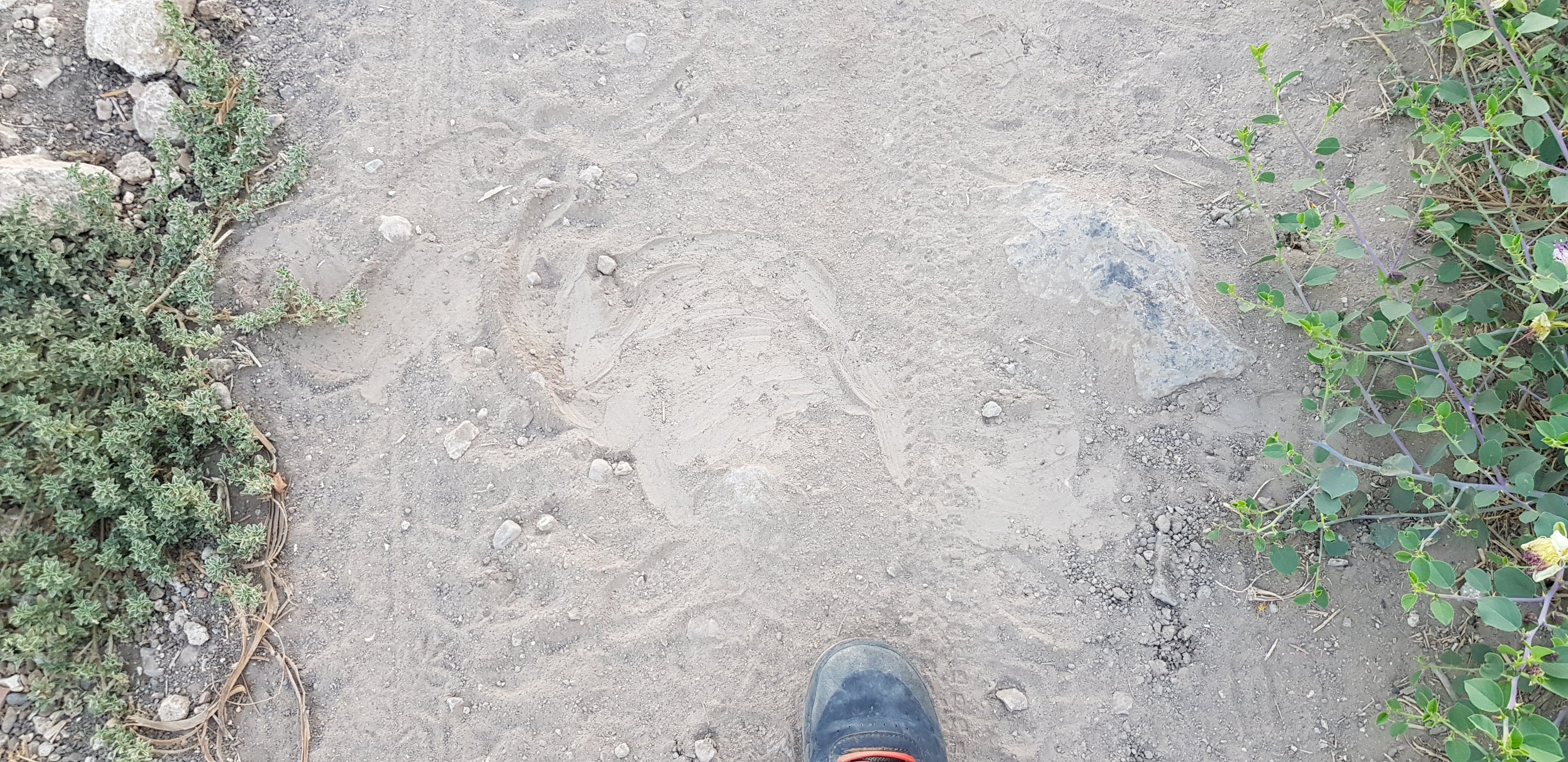
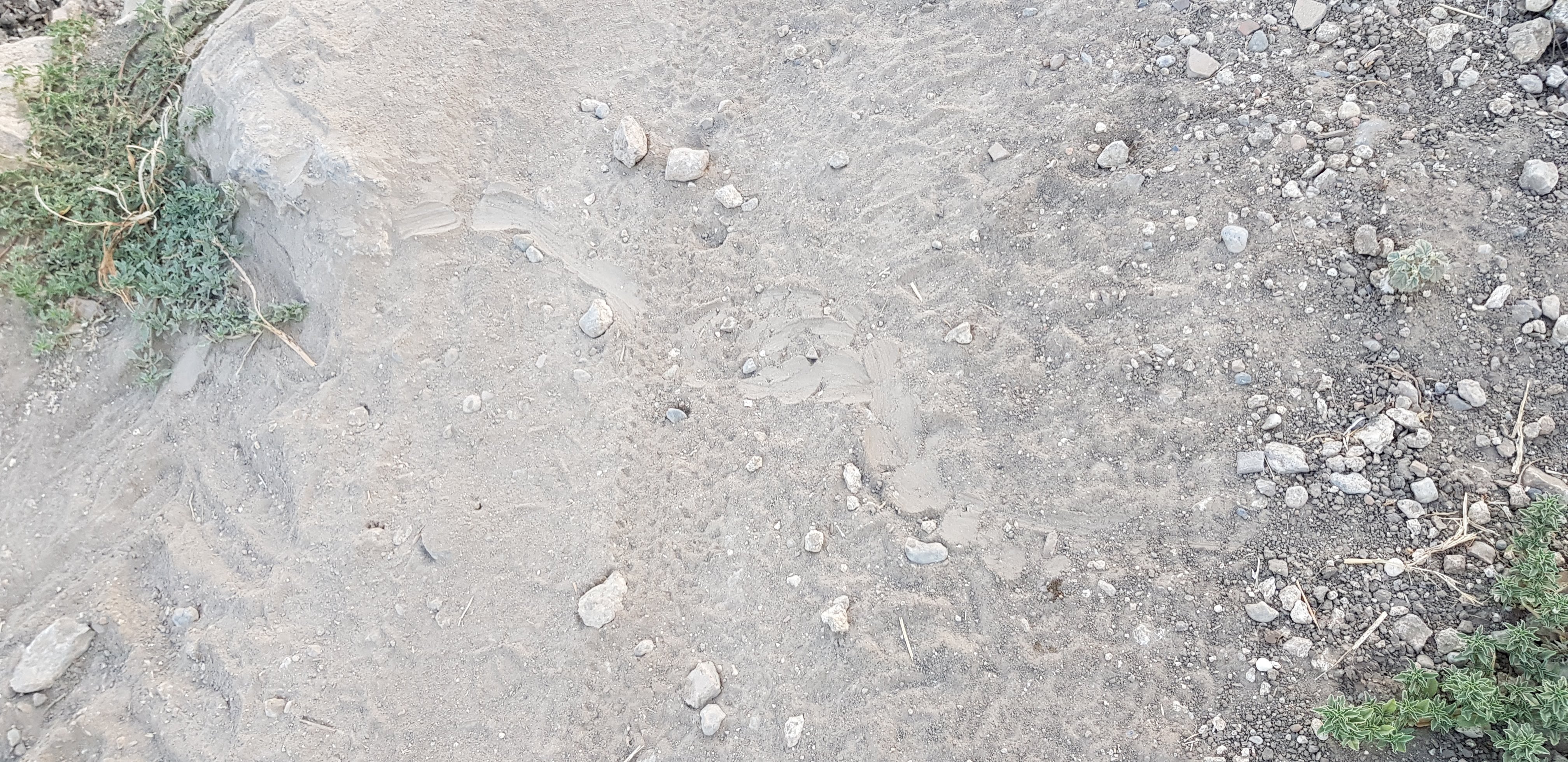
 Otto's note pad

Terrific Otto! You write with such passion and knowledge, it’s clear that you breathe the very memories your bicycle conjures, and then revert to reality with a lurch, when you mention the snake you missed in your path, preciously beautiful! I hope you keep this up!
LikeLiked by 1 person